
Overview
BMW AG (Bayerische Motoren Werke), is a leading global automotive manufacturer (OEM) headquartered in Munich, Germany. BMW is well known for its portfolio of luxury vehicles and motorcycles, to include, the famed ultra-luxury Rolls-Royce cars. Other brands in the portfolio include, MINI and BMW Motorrad. BMW manufacturers a number of electric vehicles (EVs), to include, battery-electric vehicles (BEVs) and plug-in hybrid electric vehicles (PHEVs). The company has a number of production facilities globally. Some of these include, Hungary, Mexico, Netherlands, South Africa, China and the United States.
The company currently has the following portfolio of battery-electric vehicles (BEVs):
- All-electric BMW iX1 (BEV)
- All-electric BMW iX2 (BEV)
- All-electric BMW iX3 (BEV)
- All-electric BMW iX (BEV)
- All-electric BMW iX M (BEV)
- All-electric BMW i3 (BEV)
- All-electric BMW i4 (BEV)
- All-electric BMW i5 (BEV)
- All-electric BMW i5 M (BEV)
- All-electric BMW i5 Touring (BEV)
- All-electric BMW i5 Touring M (BEV)
- All-electric BMW i7 (BEV)
- All-electric BMW i7 M (BEV)
Electric Cars: The Basics
For those of you new to zero-emission electric driving, we recommend a read of the following articles:
Types Of Electric Cars: The Complete Electric Car Buying Guide For The UK
Overview BMW AG (Bayerische Motoren Werke), is a leading global automotive manufacturer (OEM) headquartered in Munich, Germany. BMW is well known for its portfolio of luxury vehicles and motorcycles,…
Electric Cars: Pros And Cons: The Complete Electric Car Buying Guide For The UK
Overview BMW AG (Bayerische Motoren Werke), is a leading global automotive manufacturer (OEM) headquartered in Munich, Germany. BMW is well known for its portfolio of luxury vehicles and motorcycles,…

Top Jargons Used For Electric Driving: The Complete Electric Car Buying Guide For The UK
Overview BMW AG (Bayerische Motoren Werke), is a leading global automotive manufacturer (OEM) headquartered in Munich, Germany. BMW is well known for its portfolio of luxury vehicles and motorcycles,…

Air Quality: The Complete Guide For The UK
Overview BMW AG (Bayerische Motoren Werke), is a leading global automotive manufacturer (OEM) headquartered in Munich, Germany. BMW is well known for its portfolio of luxury vehicles and motorcycles,…
Are Electric Vehicles (EVs) A New Invention? The Complete Electric Car Buying Guide For The UK
Overview BMW AG (Bayerische Motoren Werke), is a leading global automotive manufacturer (OEM) headquartered in Munich, Germany. BMW is well known for its portfolio of luxury vehicles and motorcycles,…
Sign up to the e-zoomed Electric Living newsletter
The All-Electric BMW iX3 SUV
In 2026, ‘game changer’ seems to be the buzz word when describing the latest-generation of electric vehicles (EVs). No, its not hyperbole! The latest-generation of pure electric cars from both BMW and Volvo are clearly game changers, in particular, the all-new BMW iX3 Neue Klasse and the all-electric Volvo EX60 SUV. In just over 15 years, modern electric cars have transformed from EVs with limited range, to what can only be described as exponential electric range.
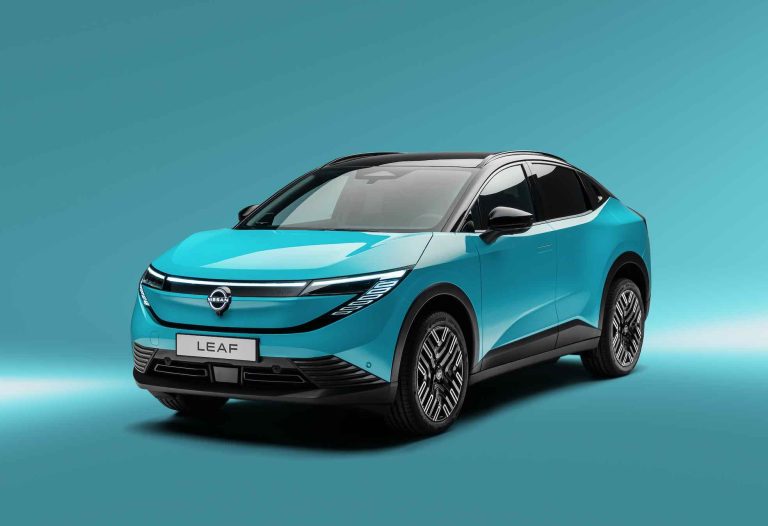
The first generation all-electric Nissan Leaf which was launched in 2010, heralded the beginning of a new era in modern electric driving. The quirky styled electric car incorporated a 24 kWh onboard EV battery with a 100 mile e-range. Fast forward to 2026: both the BMW iX3 and the Volvo EX60 offer a whopping claimed range over 500 miles on a single charge. Even adjusting for real-world driving conditions, both these battery-electric vehicles (BEVs) deliver a paradigm shift in range and electric driving.
In fact, the pace of change in EV technology continues unabated. The years and decades to come will transform our fundamental idea of road transportation comprehensively. Software-defined electric vehicles will enable many new services and functions, some already very visible in EVs today. One thing we all can be certain about is that internal combustion engine (ICE) petrol and diesel vehicles will be banned and will not be fundamental to road transportation moving forward.
For those of you that have kept an eye on the fast evolving global EV market, the above should not come as a surprise. We have witnessed continuous improvement in electric cars, to include, battery longevity, battery performance, affordability, wide choice of electric cars, styling, driving performance, onboard technology, equipment and much more. The list is simply endless. Consumers have been gaining confidence in electric cars for quite sometime and this is evident from the growth of the EV market globally.
However, 2026 will be claimed (in due course) by historians as a defining year in the adoption of electric vehicles (EVs). A number of factors have contributed to this narrative (as mentioned above), but none as significant as the high fuel (petrol/ diesel) prices we continue to witness. In fact, the Iran conflict is the final nail in the coffin of internal combustion engine (ICE) petrol and diesel vehicles, as consumer switch to cheaper electric driving. Do make sure you migrate to cleaner and cheaper electric cars at the soonest.
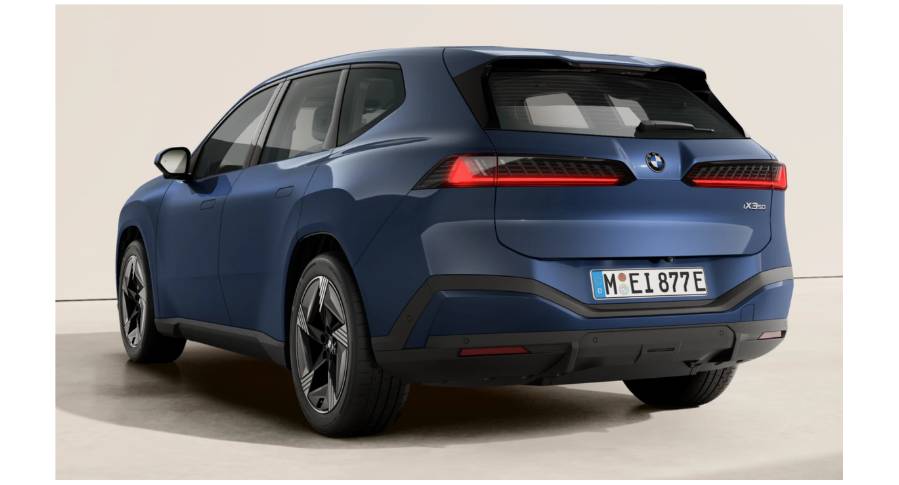
The BMW Vision Neue Klasse X concept was first announced in March 2024. The latest-generation BMW iX3 (Sports Activity Vehicle-SAV) was unveiled at the IAA Mobility (Munich) in September 2025. It is the first vehicle to be developed and built (series-production) on BMW’s new EV dedicated platform, the Neue Klasse 800-Volt architecture. The automotive manufacturer defines this platform as ‘the Group’s most significant project for the future’.
This is indeed correct. With billions invested in ‘this future’, a lot rests on the success of the first model, the iX3 being built using the platform. The initial production is taking place at the BMW Hungarian plant in Debrecen, followed by production at the Munich plant in Germany. Debrecen is the first BMW production plant to not use fossil fuels during for normal operations. The new technologies of the Neue Klasse are set to be incorporated into 40 new models and model updates up to 2027.
For those families seeking a mid-size all-electric luxury SUV with an electric range that will banish any fears around range anxiety, the BMW iX3 Sport Activity Vehicle (SAV) is an excellent option. The other two EVs to consider are: the all-electric Volvo EX60 and the all-electric Mercedes-Benz GLC. The Volvo EX60 has a claimed range over 500 miles on a single charge and the Mercedes-Benz GLC has a claimed range over 400 miles.
The improvements in the latest-generation BMW iX3, compared to the first-generation BMW iX3 (2021-2024), is not iterative. It is a paradigm shift as a result of the EV being developed on an EV dedicated platform. In general, BEVs built on a dedicated EV platform offer a more compelling proposition compared to electric cars built on a platform shared with internal combustion engine (ICE) models.
The Neue Klasse platform is a comprehensive new approach to development and production for the BMW Group, to include: electrification, digitalisation and circularity. All very important fundamental pillars for success in the global automotive industry, today and tomorrow. The new iX3 delivers a 30% reduction in its life-cycle carbon footprint compared to the previous generation (measured in CO2 equivalent). This is a noteworthy reduction. In fact, pure electric cars reduce life-cycle emissions up to 70% compared to conventional petrol and diesel vehicles.
The BMW iX3 battery-electric vehicle (BEV) is available in two EV battery sizes: 82.6 kWh / 108.7 kWh. Both use the 800-Volt architecture. According to the manufacturer, the entry-level BMW iX3 40 (82.6 kWh) variant can deliver up to 395 miles (WLTP) on a full charge, while the BMW iX3 50 xDrive (108.7 kWh) variant can deliver up to 500 miles WLTP. Even adjusting for real-world driving conditions, both variants offer class-leading electric range, commencing a new era in electric driving.
For the 82.6 kWh expect up to 350 miles real-world and for the 108.7 kWh up to 425 miles on a full charge. According to BMW, the miles per kWh (energy consumption) ranges between 4.1 to 4.3 miles for the above variants. For those new to electric driving, a number of factors impact e-range, to include: driving style, speed, road surface, vehicle weight, weather, temperature, terrain, tyre size, regenerative braking profile and more!
In relation to the onboard Lithium-ion NMC EV battery, the BMW iX3 incorporates the latest innovation and approach to EV batteries: ‘cell-to-pack’ (integration of cells directly into the high-voltage battery). The use of cylindrical cells results in a 20% increase in energy density and 30% faster charging speeds compared to the fifth-generation BMW eDrive technology. It is also worth noting that the latest eDrive technology in the Neue Klasse reduces energy loss by 40%, weight by 10% and costs by 20% compared to the previous generation. Bravo!! The Neue Klasse platform incorporates the sixth-generation BMW eDrive powertrain technology.
The BMW iX3 electric SUV incorporates a 11 kW AC onboard charger as standard (there is an option to upgrade to 22 kW AC). Perfect for those with access to three-phase (11 kW/ 22 kW) EV charging at home, work or public EV charging destinations. At 11 kW AC, the 82.6 kWh variant can be charged 0%-100% in 8 hours and 15 minutes. The 108.7 kWh variant will take up to 11 hours. Single-phase (7.4 kW) EV charging will take longer. The BMW iX3 is also capable of bi-directional charging up to 11 kW and Vehicle-to-Load (V2L) up to 3.7 kW. e-zoomed has an enviable selection of V2L cables at fantastic prices. Click here to buy!
The iX3 EV incorporates direct current (DC) charging up to 400 kW. The entry-level 82.6 kWh (10%-80%: 21 mins) has up to 300 kW DC charging, while the 108.7 kWh (10%-80%: 21 mins) variant has up to 400 kW DC charging. The EV can add up to 231 miles in 10 minutes. We like the introduction of the ‘intelligent charging flap’, which uses AI to detect when a user intends to connect or remove an EV charging cable.
For home charging we recommend the use of a smart EV charger which is solar compatible. We at e-zoomed also encourage EV owners to install on-site (home or business) solar PV and battery storage. It is a fantastic way to leverage the potential for lower cost of ownership of an electric car, and also achieve ‘well-to-wheel’ zero-tailpipe emissions. We at e-zoomed offer a number of fantastic solar PV and battery storage bundle offers!
The BMW iX3 is available in two powertrain options. The entry-level BMW iX3 40 (82.6 kWh) is a rear-wheel drive (RWD), while the BMW iX3 50 xDrive (108.7 kWh) variant is an all-wheel drive (AWD). The 82.6 kWh variant can achieve 0-62 mph in 5.9 seconds (maximum power: 320 HP/ torque: 500 Nm), while the 108.7 kWh can achieve 0-62 mph in 4.9 seconds (maximum power: 469 HP/ torque: 645 Nm). The BMW iX3 40 has a top speed up to 124 mph, while the BMW iX3 50 xDrive has a top speed up to 130 mph.
The EV incorporates one-pedal driving as standard. For the driver there is good all-round visibility, given the higher driving position. The introduction of the panoramic iDrive full-width windscreen display is a useful feature, as it gives access to information for the driver without having to look down at the screen while driving. Also available as an option is the BMW 3D Head-Up Display. The lack of physical control buttons in the EV is a concern (there are just a few). At least for climate control, BMW should have incorporated physical control buttons. The automated parking feature will certainly prove useful for those that are less confident with parallel parking on parking in tight spaces. It can be used while inside or outside the electric vehicle.
In terms of dimensions, the BMW iX3 is 4.78m long and 1.63m tall (1.89m wide). In comparison, the Volvo EX60 is 4.80m long and 1.63m tall (1.99m wide). The iX3 EV has a generous 58 L frunk (perfect for storing a shorter length EV cable) and a 520 L boot (up to 1,750 L with rear seats folded down). The five-door family SUV offers ample legroom and headroom for adults seated in the rear. The rear seats recline. Perfect for those longer trips. BMW has incorporated a number of sustainable materials for the interior, to include: recycled marine plastics, 100% recycled PET, yarn with 100% recycled materials and more. The iX3 has a clean and minimalistic interior cabin. A trend started in Scandinavia, but fast become popular with automotive manufactures globally.
In terms of technology and onboard equipment, the electric SUV has much to offer. The EV has four ‘superbrain’ computers that manage driving dynamics, automated driving, infotainment and other vehicle functions. A good example of the positive impact of this new technology is braking. In the iX3, 98% of the braking manoeuvres are performed solely by energy recuperation. Bottom-line, higher efficiency of the vehicle. BMW has named the new system ‘Heart of Joy’! The EV uses the BMW operating system ‘X’. The EV incorporates the BMW intelligent personal assistant, Apple CarPlay and Android Auto.
The BMW iX3 has yet to be awarded the Euro NCAP Safety Rating. Some of the driving aids and safety features incorporated in the electric vehicle include: lane change warning, lane keeping assistant, distance information, road priority warning, emergency brake assistant, emergency steering intervention, attentiveness assistant with emergency stop, evasion assistant, rear collision warning and more.
The exterior styling of the e-SUV is an improvement from its predecessor. The incorporation of the smaller BMW kidneys is an excellent approach. It pays homage to the Neue Klasse of the 1960’s. Another very important period in the development of the BMW marque. The iX3 is a good balance between a future design and a sense of familiarity in design language. The new design language has certainly improved the aerodynamics of the vehicle. The BMW iX3 has a drag coefficient of 0.24 Cd. Small improvements like the flush door handles that extend automatically positively impact the aerodynamics of the vehicle. The lower the drag coefficient, the more efficient the vehicle!
Prices for the BMW iX3 electric SUV start from £53,250. Company-car drivers can take advantage of the lower Benefit-in-Kind (BiK) tax rate for pure electric cars. Electric cars can be leased via e-zoomed at fantastic prices (to include salary sacrifice offers). Bottom-line, electric driving is good for the environment and the wallet.
| PROS | CONS |
|---|---|
| Available in two battery sizes and excellent range. DC charging up to 400 kW | Lack of physical control buttons |
| Developed and built on BMW’s latest-generation EV dedicated platform, the ‘Neue Klasse’ | Could have a more practical interior. As an example pockets on the rear of seats |
| Very good level of onboard technology and equipment | EV battery warranty not as long (years) as some competitors |
Gallery


The All-Electric BMW iX3 SUV (credit: BMW)
| At A Glance | |
|---|---|
| EV Type: | Battery-Electric Vehicle (BEV) |
| Body Type: | SUV |
| Engine: | Electric |
| Available In UK: | Yes |
| Variants (2 Options) |
|---|
| BMW iX3 40 (from £53,250) |
| BMW iX3 50 xDrive (from £60,655) |
| EV Battery & Emissions | |
|---|---|
| EV Battery Type: | Lithium-ion NMC |
| EV Battery Capacity: | Available in two battery sizes: 82.6 kWh (800 V)/ 108.7 kWh (800 V) |
| Charging: | 300-400 kW DC Rapid Charging (10%-80%: 21 mins). Onboard AC charger: 11 kW AC (0%-100%: 8-11 hrs) |
| Charge Port: | Type 2 |
| Charge Port Location: | Rear right |
| EV Cable Type: | Type 2 |
| Tailpipe Emissions: | 0g (CO2/km) |
| EV Battery Warranty: | 8 years or 100,000 miles |
| Average Cost Of Residential Charging | |
|---|---|
| Battery net capacity : 16.7 kWh | £4.40 |
| Battery net capacity : 30.0 kWh | £7.91 |
| Battery net capacity : 39.2 kWh | £10.33 |
| Battery net capacity : 45.0 kWh | £11.86 |
| Battery net capacity : 50.0 kWh | £13.18 |
| Battery net capacity : 64.0 kWh | £16.86 |
| Battery net capacity : 71.0 kWh | £18.71 |
| Battery net capacity : 77.0 kWh | £20.29 |
| Battery net capacity : 90.0 kWh | £23.72 |
| Battery net capacity : 100.0 kWh | £26.35 |
| Battery net capacity : 112.0 kWh | £29.51 |
| Battery net capacity : 120.0 kWh | £31.62 |
| Battery net capacity : 130.0 kWh | £34.26 |
- Note 1: The average cost of residential electricity in the UK varies depending on the region, supplier and type of energy used. An average for the UK is 26.35 p/kWh.
- Note 2: Not all EV manufactures make available the data on net EV battery capacity, and in a number of instances the EV battery capacity advertised, does not state if it is gross or net capacity. In general, usable EV battery capacity is between 85% to 95% of the gross available capacity.
| Charging Times (Overview) | |
|---|---|
| Slow charging AC (3 kW – 3.6 kW): | 6 – 12 hours (dependent on size of EV battery & SOC) |
| Fast charging AC (7 kW – 22 kW): | 3 – 8 hours (dependent on size of EV battery & SoC) |
| Rapid charging AC (43 kW): | 0-80%: 20 mins to 60 mins (dependent on size of EV battery & SoC) |
| Rapid charging DC (50 kW+): | 0-80%: 20 mins to 60 mins (dependent on size of EV battery & SoC) |
| Ultra rapid charging DC (150 kW – 350 kW): | 0-80% : 20 mins to 40 mins (dependent on size of EV battery & SoC) |
| Tesla Supercharger (120 kW – 350 kW): | 0-80%: up to 25 mins (dependent on size of EV battery & SoC) |
- Note 1: SoC: state of charge
| Dimensions | |
|---|---|
| Height (mm): | 1635 |
| Width (mm): | 1895 (not including mirrors) |
| Length (mm): | 4782 |
| Wheelbase (mm): | 2897 |
| Turning Circle (m): | 12.1 |
| Boot Space (L): | 520 (up to 1,750 L with rear seats folded down) |
| Frunk (L): | 58 |
| BMW iX3 40 | |
|---|---|
| EV Battery Capacity: | 82.6 kWh (800 V) |
| Pure Electric Range (WLTP-combined): | 395 miles |
| Electric Energy Consumption (kWh/100miles): |
15.1 – 17.9 |
| Miles per kWh: | 4.3 |
| Charging: | 300 kW DC Rapid Charging (10%-80%: 21 mins). Onboard AC charger: 11 kW AC (0%-100%: 8 hrs 15 mins) |
| Top Speed: | 124 mph |
| 0-62 mph: | 5.9 seconds |
| Drive: | Rear-wheel drive (RWD) |
| Electric Motor (kW): | 235 |
| Horsepower (hp): | 320 |
| Torque (Nm): | 500 |
| Transmission: | Automatic |
| Seats: | 5 |
| Doors: | 5 |
| Weight (kg): | 2,160 |
| Towing Capacity (Braked/Unbraked)/ (kg): | 2,000 |
| Colours: | 8 |
| NCAP Safety Rating: | N/A |
| Insurance Group: |
| BMW iX3 50 xDrive | |
|---|---|
| EV Battery Capacity: | 108.7 kWh (800 V) |
| Pure Electric Range (WLTP-combined): | 500 miles |
| Electric Energy Consumption (kWh/62miles): |
15.1 – 17.9 |
| Miles per kWh: | 4.1 |
| Charging: | 400 kW DC Rapid Charging (10%-80%: 21 mins). Onboard AC charger: 11 kW AC (0%-100%: 11 hrs 0 mins) |
| Top Speed: | 130 mph |
| 0-62 mph: | 4.9 seconds |
| Drive: | All-wheel drive (AWD) |
| Electric Motor (kW): | 345 |
| Horsepower (hp): | 469 |
| Torque (Nm): | 645 |
| Transmission: | Automatic |
| Seats: | 5 |
| Doors: | 5 |
| Weight (kg): | 2,360 |
| Towing Capacity (Braked/Unbraked)/ (kg): | 2,000 |
| Colours: | 8 |
| NCAP Safety Rating: | N/A |
| Insurance Group: |
While e-zoomed uses reasonable efforts to provide accurate and up-to-date information, some of the information provided is gathered from third parties and has not been independently verified by e-zoomed. While the information from the third party sources is believed to be reliable, no warranty, express or implied, is made by e-zoomed regarding the accuracy, adequacy, completeness, legality, reliability or usefulness of any information. This disclaimer applies to both isolated and aggregate uses of this information.
Featured Articles
The All-Electric BYD Sealion 7 (SUV): The Complete Electric Car Buying Guide For The UK
Overview BMW AG (Bayerische Motoren Werke), is a leading global automotive manufacturer (OEM) headquartered in Munich, Germany. BMW is well known for its portfolio of luxury vehicles and motorcycles,…
The All-Electric CUPRA Tavascan (SUV Coupé): The Complete Electric Car Buying Guide For The UK
Overview BMW AG (Bayerische Motoren Werke), is a leading global automotive manufacturer (OEM) headquartered in Munich, Germany. BMW is well known for its portfolio of luxury vehicles and motorcycles,…
The All-Electric Polestar 4 (SUV): The Complete Electric Car Buying Guide For The UK
Overview BMW AG (Bayerische Motoren Werke), is a leading global automotive manufacturer (OEM) headquartered in Munich, Germany. BMW is well known for its portfolio of luxury vehicles and motorcycles,…
The All-Electric Ford Explorer (SUV): The Complete Electric Car Buying Guide For The UK
Overview BMW AG (Bayerische Motoren Werke), is a leading global automotive manufacturer (OEM) headquartered in Munich, Germany. BMW is well known for its portfolio of luxury vehicles and motorcycles,…
The All-Electric Renault Scenic E-Tech (SUV): The Complete Electric Car Buying Guide For The UK
Overview BMW AG (Bayerische Motoren Werke), is a leading global automotive manufacturer (OEM) headquartered in Munich, Germany. BMW is well known for its portfolio of luxury vehicles and motorcycles,…
The All-Electric Volvo EX60 (SUV): The Complete Electric Car Buying Guide For The UK
Overview BMW AG (Bayerische Motoren Werke), is a leading global automotive manufacturer (OEM) headquartered in Munich, Germany. BMW is well known for its portfolio of luxury vehicles and motorcycles,…
Featured Products
-
Best-In-Class Home Solar Bundle Offer (440W All Black Jinko Solar 8 Panels + Sungrow Hybrid Inverter 3.6 kW): price includes product supply only – free delivery
Original price was: £2,205.95.£2,150.95Current price is: £2,150.95. (Including VAT)
-
Best-In-Class Home Solar Bundle Offer (440W All Black Jinko Solar 8 Panels + Sungrow Battery Storage 6.4 kWh + Sungrow Hybrid Inverter 3.6 kW): price includes product supply only – free delivery
Original price was: £5,010.95.£4,800.95Current price is: £4,800.95. (Including VAT)
-
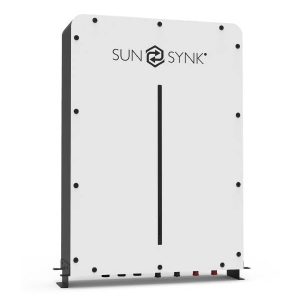
Bundle Offer: SUNSYNK LifePO4 Home Battery Storage (5.32 kWh) + SUNSYNK Hybrid Inverter (3.6 kW/Single-Phase): price includes product supply only – free delivery
Original price was: £3,345.95.£3,299.95Current price is: £3,299.95. (Including VAT)
-
Bundle Offer: Tesla Powerwall 3 Home Battery Storage (13.5 kWh) + Gateway: price includes product supply only – free delivery
£8,559.95 (Including VAT)
-
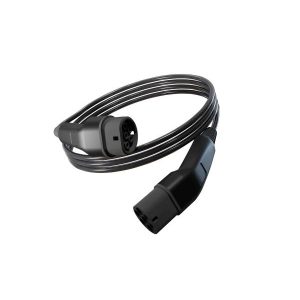
Custom-Made Single-Phase EV Charging Cable Type 2 to Type 2 (2m to 50m, 7.4 kW, 32 amp, Black) – Built & Tested In The UK – Free Delivery
Price range: £99.95 through £670.95 (Including VAT)
Category:CablesType:Type 2Length (m):5 m7.5 m10 m3.5 m12.5 m15 m20 m17.5 m2 m22.5 m25 m30 m35 m40 m45 m50 mCurrent (amp):32 ampPhase:Single Phase (7.2kW)
This product has multiple variants. The options may be chosen on the product page -

Untethered Ohme ePod Home Smart EV Charger (7.4 kW): price includes product only – free delivery
£645.95 (Including VAT)
Brand:OhmeCategory:EV Charging PointsCustomer type:ResidentialPower:7.4 kWCable:UntetheredPhase:Single Phase
The post The All-Electric BMW iX3 Neue Klasse (SUV): The Complete Electric Car Buying Guide For The UK appeared first on Ezoomed.