
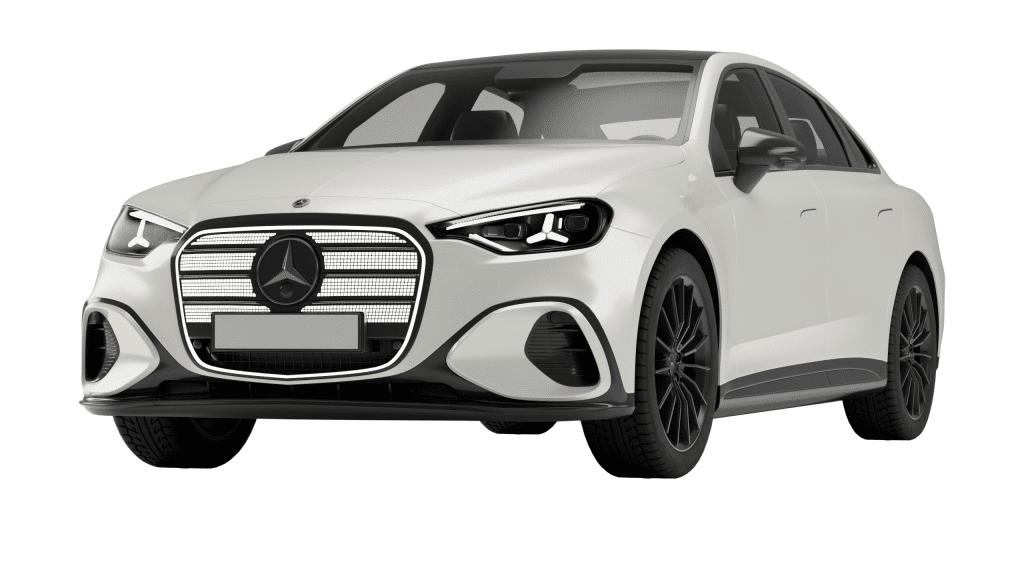
The all-new Mercedes-Benz C-Class Electric (2026) brings battery-electric power to one of the most familiar names in the premium executive-saloon market. Rather than simply converting the existing combustion-engine C-Class, Mercedes-Benz has developed a dedicated electric model with a different platform, a distinctive illuminated grille and a technology-rich cabin. In the UK, its combination of long-range capability, all-wheel-drive performance and traditional saloon proportions places it squarely among the more ambitious premium electric cars.
At launch, the UK range centres on the Mercedes-Benz C-Class 400 4MATIC Electric, with two electric motors producing 360 kW (489 hp) and a 94 kWh usable battery. According to the manufacturer’s UK data, the most efficient Sport specification offers up to 452 miles of WLTP range, while the five trim levels range from 428 to 452 miles. All have 330 kW maximum DC charging, an 11 kW AC charger as standard and a claimed 10–80% rapid-charge time of 22 minutes.
UK on-the-road prices start at £57,995 for Sport and rise to £70,995 for the Premier Edition, before individual options and any future price adjustments. These figures come from the manufacturer’s UK information dated 10 November 2026 for vehicles from July 2026 production, rather than forecasts for a future model. Customers should nevertheless confirm their exact specification, availability and delivery timetable with a retailer, because the advertised trim and selected equipment affect both price and certified range.
The closest premium-saloon alternative is the BMW i3 Neue Klasse, while the Tesla Model 3, Hyundai IONIQ 6 and BYD SEAL offer different balances of price, efficiency, cabin space and driving character. Those alternatives are not all exact price matches: the Mercedes-Benz asks buyers to pay more for its refinement, presentation and premium specification. Comparing equivalent UK versions, rather than isolated headline range figures, is especially important in this segment.
This e-zoomed guide examines the confirmed UK trims, battery and charging performance, practicality, safety equipment and ownership costs of the Mercedes-Benz C-Class Electric. We also consider the useful differences between the Superscreen and Hyperscreen interiors, the optional chassis and AC-charging upgrades, and whether the claimed long-distance capability justifies the substantial asking price. The aim is to separate genuinely useful technology from optional luxury features before you commit to a test drive or order.
At a glance: Mercedes-Benz C-Class Electric (2026)
| Specification | Mercedes-Benz C-Class 400 4MATIC Electric — UK |
|---|---|
| UK starting price | £57,995 on the road (Sport); five trims to £70,995 |
| Vehicle type | Battery-Electric Vehicle (BEV) |
| Body style / seating | Premium four-door saloon / five seats |
| UK powertrain | C 400 4MATIC; dual motors, all-wheel drive; two-speed transmission |
| Usable battery | 94 kWh lithium-ion; gross capacity not confirmed in the UK technical data |
| Official electric range (WLTP) | 428–452 miles across the five UK trims |
| Motor output / torque | 360 kW (489 hp) / 800 Nm |
| 0–62 mph / top speed | 4.0 seconds / 130 mph |
| AC charging | 11 kW standard; 22 kW optional (£1,000) |
| Maximum DC charging / 10–80% | 330 kW / 22 minutes (manufacturer claim) |
| Home AC 0–100% | 15 hours 15 minutes at 7 kW; 10 hours 30 minutes at 11 kW |
| Boot / front compartment | 470 litres / 101 litres (80 litres under ISO 3832) |
| Braked towing / tailpipe CO₂ | Up to 1,800 kg / 0 g/km |
| Warranty | Vehicle: three years; battery: eight years/100,000 miles, 70% capacity threshold |
| Independent crash-test rating | No separate Euro NCAP result for this electric generation verified |
UK specification and trim figures are from Mercedes-Benz information effective for July 2026 production and dated 10 November 2026. The 452-mile figure belongs to Sport; options and real-world driving conditions can reduce range. The separate electric model must not inherit the Euro NCAP rating of the combustion-engined C-Class.
Table of Contents
Pros & cons
| Pros | Cons |
|---|---|
| 1. Long-distance capability: The 94 kWh usable battery and up to 452 miles of official WLTP range provide substantial flexibility for motorway journeys. | 1. High entry price: The £57,995 UK starting price is a significant premium over several well-equipped electric saloons. |
| 2. Fast DC charging: Up to 330 kW and a claimed 22-minute 10–80% charging stop suit regular long-distance travel, where suitable chargers are available. | 2. Weight and size: At 2,460 kg and around 4.9 metres long, this is a substantial saloon rather than a compact, easy-to-park city car. |
| 3. Strong standard equipment: Adaptive cruise control, multiple safety assists, heated front seats and a 101-litre front compartment are included across the UK range. | 3. Expensive upgrades: The most elaborate screen layout, advanced lighting, air suspension and 22 kW AC charging are tied to higher trims or extra-cost packages. |
Sign up to the e-zoomed Electric Living newsletter
About Mercedes-Benz: The company behind the C-Class Electric
Mercedes-Benz is a German automotive manufacturer with a history closely associated with the development of the modern motor car and a long-standing presence in the UK premium market. The new Mercedes-Benz C-Class Electric forms part of its move towards a broader dedicated electric-vehicle range, alongside models such as the Mercedes-Benz EQE. For the brand’s longer history and corporate background, see the Mercedes-Benz encyclopaedia entry.
The electric C-Class should not be confused with the existing petrol and plug-in-hybrid C-Class saloon; the Mercedes-Benz C-Class plug-in hybrid combines an internal-combustion engine with electric driving rather than operating solely on battery power. The 2026 electric model is positioned as a separate executive-saloon choice, with a large battery, 800-volt electrical architecture and a new generation of connected cabin technology. UK customers should compare the ownership economics of these distinct powertrains rather than treating their specifications as interchangeable.
Meet the Mercedes-Benz C-Class Electric
Overview
The Mercedes-Benz C-Class Electric translates the manufacturer’s traditional executive-saloon identity into a purpose-built electric car. Its long bonnet, sculpted sides and prominent grille are familiar design cues, but the illuminated front treatment and star-shaped rear lighting give it a clearly different appearance. At approximately 4.89 metres long, it is considerably larger than the badge might suggest, which should improve its long-distance presence while making tight urban parking more demanding.
The UK specification offers a single launch powertrain, C 400 4MATIC, rather than separate rear-wheel-drive and all-wheel-drive choices. Sport, AMG Line, AMG Line Premium, AMG Line Premium Plus and Premier Edition progressively add styling, comfort and technology, but retain the same maximum motor output and battery size. Equipment differences are consequently more important than raw performance when choosing between versions, and the higher trims carry a measurable WLTP-range penalty.
Independent reviews suggest that the car’s main appeal lies in its quiet, composed road manners and substantial sense of cabin quality, rather than in chasing an overtly sporting character. The shape also places it in direct competition with the Polestar 2, although the Mercedes-Benz offers a different level of equipment and a much larger battery. A representative UK test drive is worthwhile to judge visibility, screen ergonomics and the balance between ride comfort and wheel size.
Battery & range
All five UK versions of the Mercedes-Benz C-Class 400 4MATIC Electric use a lithium-ion battery with 94 kWh of usable capacity. Mercedes-Benz quotes combined WLTP ranges of 452 miles for Sport, 447 miles for AMG Line, 442 miles for AMG Line Premium, 433 miles for AMG Line Premium Plus and 428 miles for Premier Edition. The technical data does not separately establish a gross battery capacity, so the 94 kWh figure should not be presented as both gross and usable.
The range variation illustrates why a single headline figure is not enough to describe the whole model family. Different wheels, additional equipment and selected options affect official efficiency, while UK winter temperatures, sustained motorway speeds, hills and vehicle loads can reduce the distance achievable between charges. The manufacturer’s data also lists lower ranges for certain optional combinations, making a final specification-specific WLTP figure more useful than the maximum Sport claim.
For frequent motorway drivers, the usable battery gives valuable flexibility to arrive at a charger with a sensible reserve and stop only when it suits the journey. Owners should nevertheless plan around the car’s actual consumption after some weeks of driving, rather than converting the 452-mile laboratory result into an unconditional real-world promise. Buyers who prioritise efficiency over luxury equipment may find the entry-level Sport particularly persuasive.
Charging
The Mercedes-Benz C-Class Electric has an 800-volt electrical system and can accept up to 330 kW from a suitable DC rapid charger. According to the manufacturer’s data, a 10–80% charge can take 22 minutes under appropriate conditions, and compatibility with 400-volt DC infrastructure is standard. This peak rate is not guaranteed throughout a charging session: battery temperature, starting charge, charger power and site conditions all affect the result.
For home and destination charging, an 11 kW AC charger is standard and a 22 kW three-phase upgrade costs £1,000 on all five UK trims. Mercedes-Benz quotes 15 hours 15 minutes for a full charge on a nominal 7 kW wallbox, or 10 hours 30 minutes at 11 kW, both from 0–100%. Most UK homes have single-phase electricity and cannot obtain the full benefit of the optional 22 kW unit without suitable three-phase infrastructure.
Charging arrangements matter as much as the headline specification. Drivers new to electric cars can consult our guide to charging an electric car, while our explanation of DC charging clarifies why public rapid charging differs from AC charging at home. A long-distance trip is easiest when suitable motorway sites, charging-network access and contingency stops are planned before departure.
Practicality
The Mercedes-Benz C-Class Electric is a five-seat saloon with a 470-litre rear boot and a 101-litre front storage compartment, although Mercedes-Benz also quotes 80 litres for the latter using the ISO 3832 measurement method. The front compartment is particularly useful for charging cables or smaller items that might otherwise occupy the luggage area. A 40:20:40 split-folding rear seat increases flexibility for occasional longer loads, even though the saloon boot aperture remains less versatile than a hatchback or estate.
At roughly 4,883–4,894 mm long, depending on trim, and 2,066 mm wide including mirrors, the car requires some care in narrow garages and older car parks. The 2,962 mm wheelbase supports a spacious cabin layout, but buyers should check rear headroom and child-seat access personally, especially with the panoramic roof and differing seat configurations. Independent reviewers have praised the refinement but also note that a premium badge and generous exterior dimensions do not automatically make every passenger-space measurement class-leading.
The manufacturer rates braked towing capacity at up to 1,800 kg and unbraked towing at 750 kg, with an optional electrically deploying trailer coupling priced at £1,000. This makes the car more versatile than many electric saloons for occasional towing, subject to the appropriate vehicle, trailer and licence limits. Owners should allow for a potentially substantial reduction in driving range when towing, particularly at motorway speeds or in poor weather.
Technology & equipment
Cabin displays vary notably across the UK range. Sport combines a 10.3-inch driver display, a 14-inch central screen and a 14-inch digital trim panel, while AMG Line substitutes a functioning passenger display as part of the MBUX Superscreen arrangement. AMG Line Premium and higher trims gain the 39.1-inch MBUX Hyperscreen; premium specification therefore changes the whole dashboard experience, rather than simply adding another convenience feature.
The latest Mercedes-Benz operating software, connected services and assistance functions underpin the car’s digital character. Standard equipment includes smartphone integration, wireless phone charging, dual-zone climate control, adaptive cruise control and a range of active driver aids, while higher trims add features such as a surround-view camera, upgraded audio and augmented-reality navigation. Some Digital Extras may require subscriptions or later software availability, so buyers should confirm what remains included after any introductory period.
Technology can enhance everyday comfort, but the amount of screen interaction is a matter of preference. Independent reviews suggest that the interface is impressive visually yet may demand more familiarity than conventional physical controls, especially for drivers who prefer simple climate and audio adjustments. Compare the cabin with the more restrained presentation in the BMW i5 before paying for the most elaborate display and audio packages.
Performance
The dual-motor Mercedes-Benz C-Class 400 4MATIC Electric develops 360 kW (489 hp) and 800 Nm of torque, driving all four wheels through a two-speed transmission. Mercedes-Benz quotes 0–62 mph in 4.0 seconds and a top speed of 130 mph, irrespective of UK trim. Performance is therefore considerably stronger than its understated executive-saloon appearance might imply, although the 2,460 kg kerb weight makes this a substantial vehicle to control and manoeuvre.
Comfort-oriented suspension with passive selective damping is standard, and several driving modes allow the response to be adapted to conditions. AMG Line and higher trims can add the £2,500 Refinement Package, pairing AIRMATIC air suspension with up to 4.5 degrees of rear-axle steering. This option could be particularly useful in urban driving and on uneven roads, but it is worth testing rather than assuming that a more complex chassis automatically suits every driver.
Independent road tests generally describe strong acceleration, stable motorway behaviour and effective isolation from road noise, all useful qualities in a car designed for long journeys. The two-speed transmission and all-wheel-drive system also distinguish it from simpler single-motor electric saloons. Buyers seeking a more overtly sporting experience should compare the ride, steering and braking feel against alternatives instead of judging the car by its impressive acceleration figure alone.
Safety
The manufacturer’s UK equipment information lists adaptive cruise control, autonomous emergency braking, lane support, blind-spot monitoring, emergency steering assistance, traffic-sign recognition and the PRE-SAFE preventative occupant-protection system across the Mercedes-Benz C-Class Electric range. Rear-view parking assistance is standard, with a 360-degree camera included on higher trims. The extensive equipment list is reassuring, but drivers remain responsible for monitoring the road and understanding each system’s limitations.
A separate Euro NCAP crash-test rating for this electric-generation C-Class was not verified during this review. The older combustion-engined Mercedes-Benz C-Class has an assessment, but its result should not be assigned to this distinct electric model merely because the vehicles share a name. Buyers who consider a current independent crash rating essential should check for a new assessment and examine the final safety specification before ordering.
The verdict
The Mercedes-Benz C-Class Electric makes a convincing case for the traditional executive saloon in a battery-electric market increasingly dominated by SUVs. Its impressive official range, 800-volt charging system and strong standard powertrain create a useful foundation for both commuting and longer journeys. More importantly, the model combines these capabilities with the refined, quiet character that premium-saloon buyers are likely to value.
The most meaningful advantages are not confined to outright performance. A 94 kWh usable battery, 330 kW peak DC charging, useful front storage and comprehensive standard driver assistance all have practical ownership benefits. The 1,800 kg braked towing allowance also gives the car a degree of versatility that many conventional electric saloons cannot offer, provided buyers accept the extra energy demand when towing.
There are real compromises. The entry price is high, the car is heavy and physically large, and higher trims reduce the official WLTP range while adding expensive comfort and display features. Some prospective buyers will also prefer the simplicity of a less screen-dominated cockpit, while those who need a large tailgate may find a hatchback or estate body more convenient.
For drivers who regularly travel long distances, the Mercedes-Benz C-Class 400 4MATIC Electric offers strong theoretical range and short planned DC charging stops. The benefit will depend on the availability of genuinely capable public chargers and on the way the vehicle is driven. Home charging remains central to ownership economics; a suitable overnight tariff can be much less expensive than frequent ultra-rapid charging, as discussed in our UK EV charging tariffs guide.
Against its closest electric-saloon rivals, the Mercedes-Benz offers a distinct blend of cabin luxury, four-wheel-drive performance and long-range ability rather than a simple lowest-price proposition. The e-zoomed view: Sport is the most compelling starting point because it preserves the major performance and charging benefits while offering the highest certified UK range. Buyers who particularly value a panoramic roof, advanced display or refined suspension may reasonably prefer a higher trim after testing those features.
Before placing an order, check a written UK on-the-road quotation, the exact WLTP range for the selected options, warranty documentation and the availability of any subscription-based digital features. Inspect the boot opening, front compartment and rear-seat comfort in person, and test the ride on roads similar to your usual routes. For households without reliable home charging, calculate the expected public-charging costs before treating the long official range as an automatic financial advantage.
Gallery
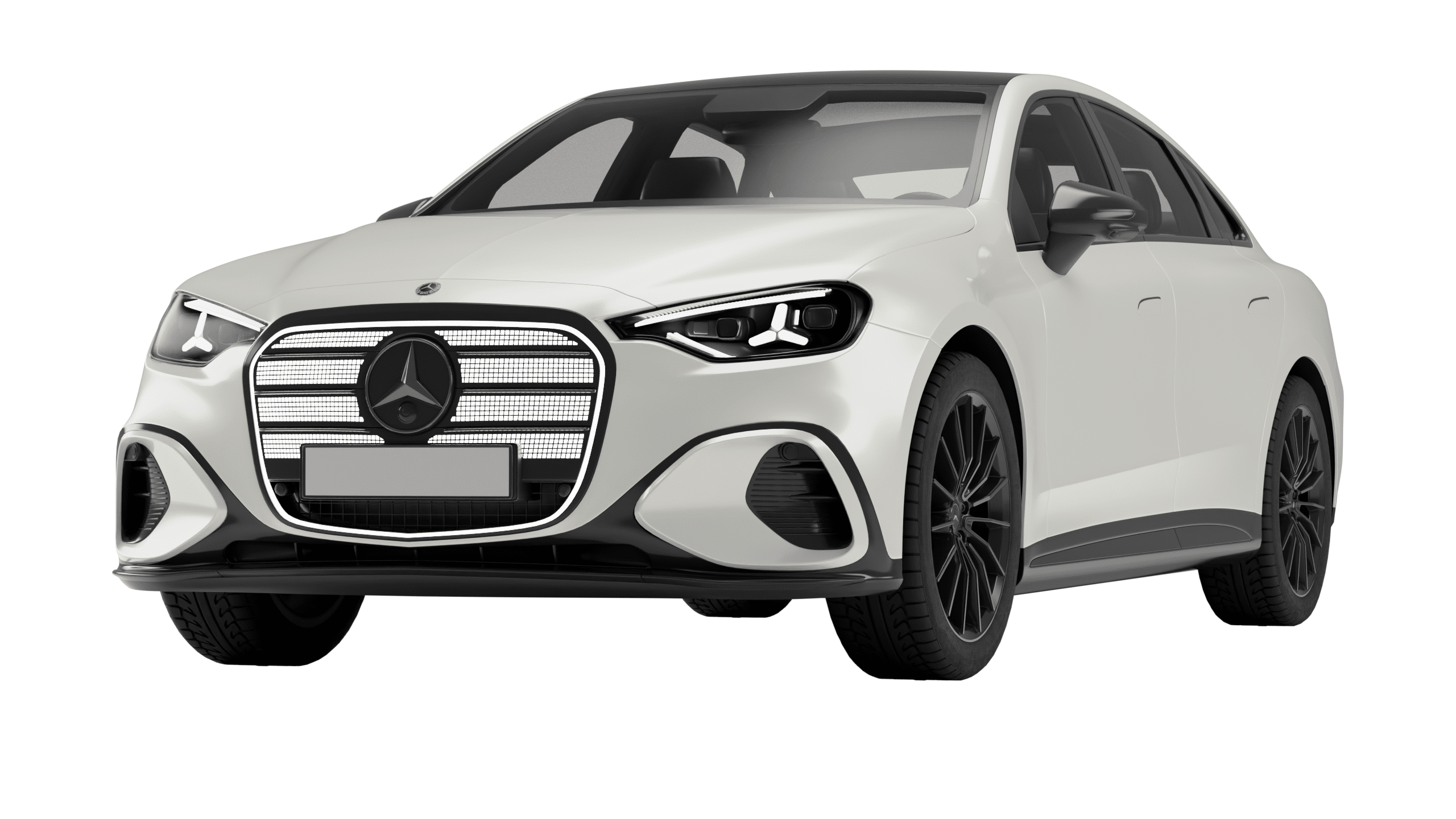
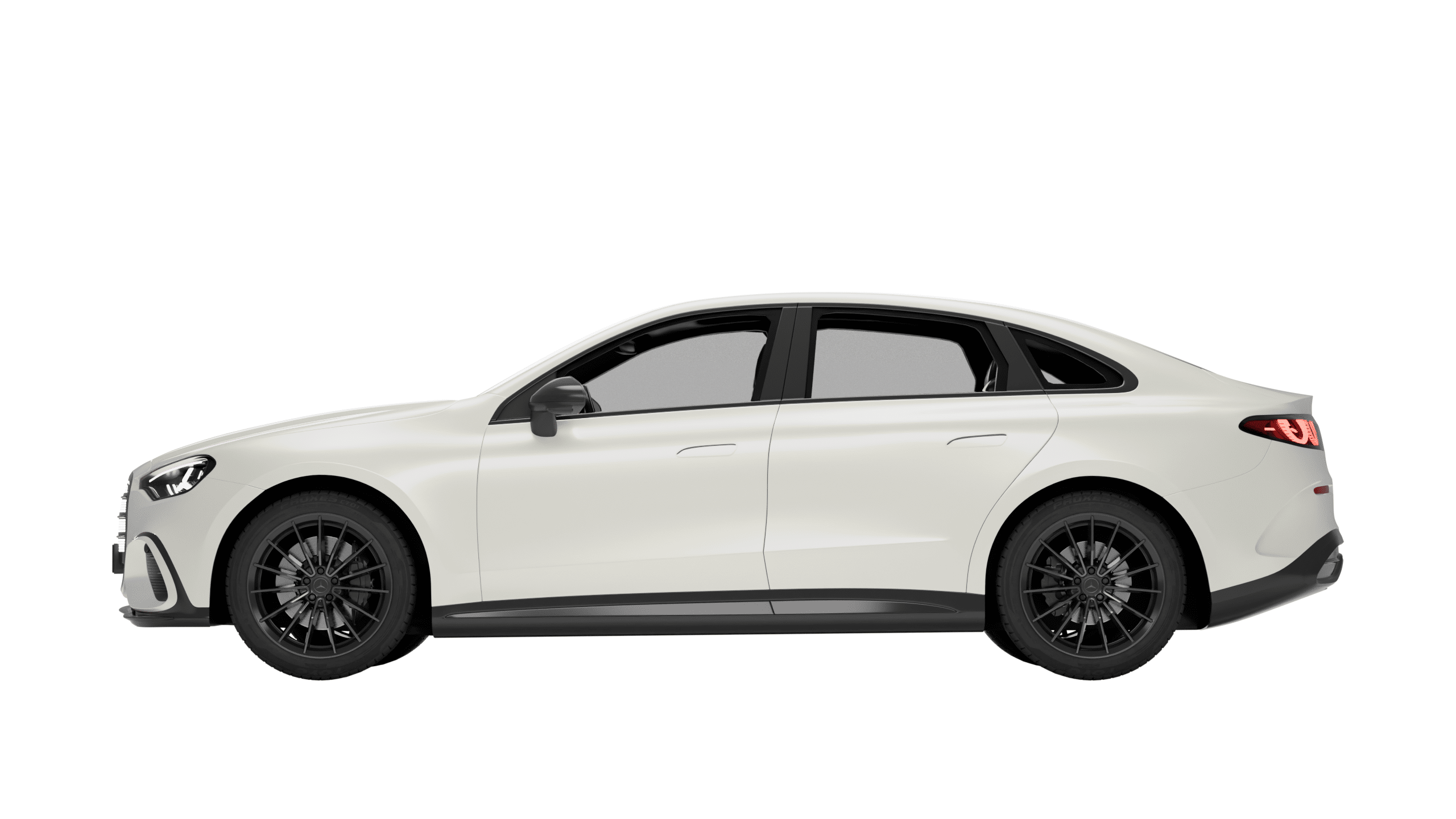
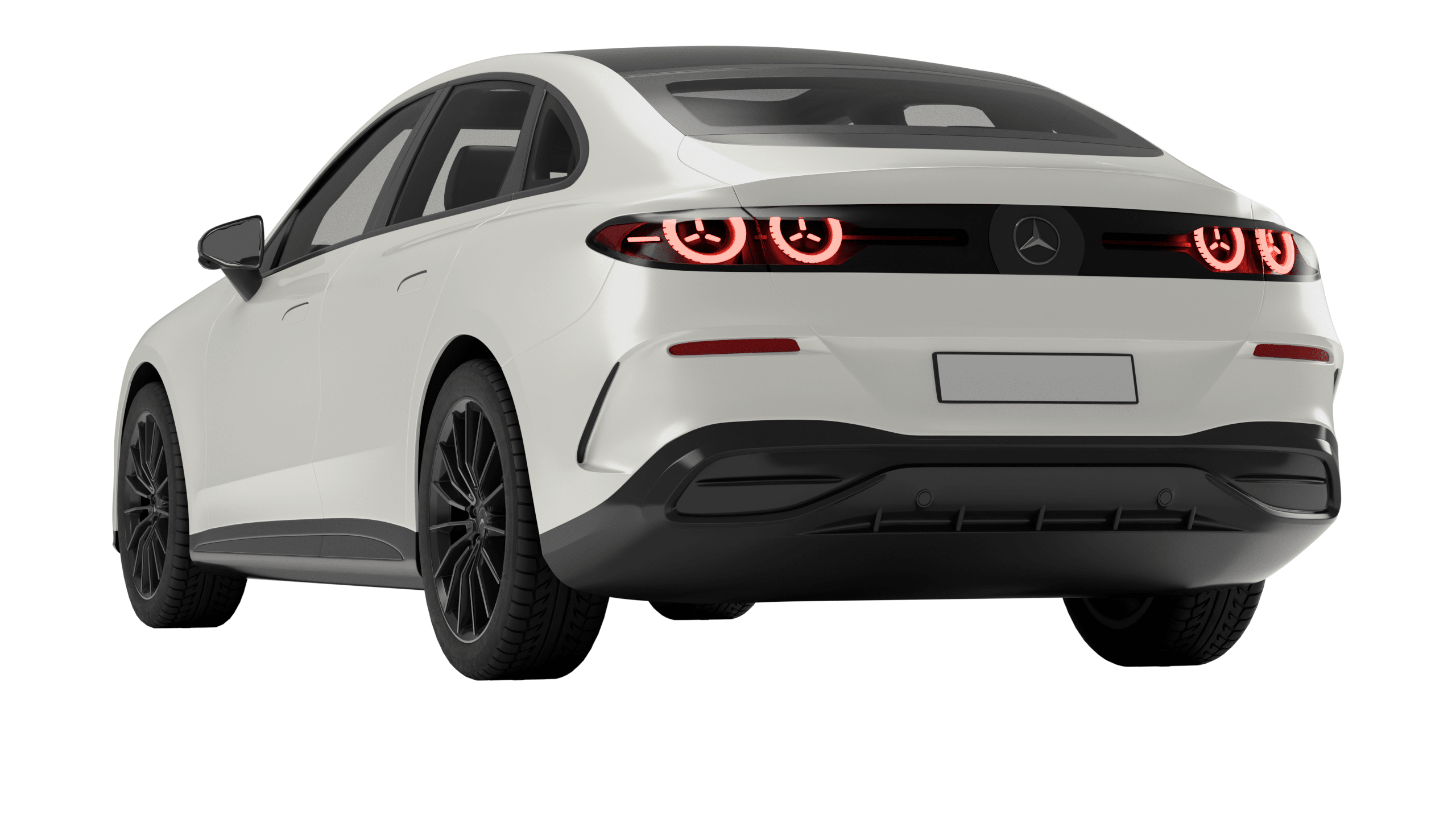
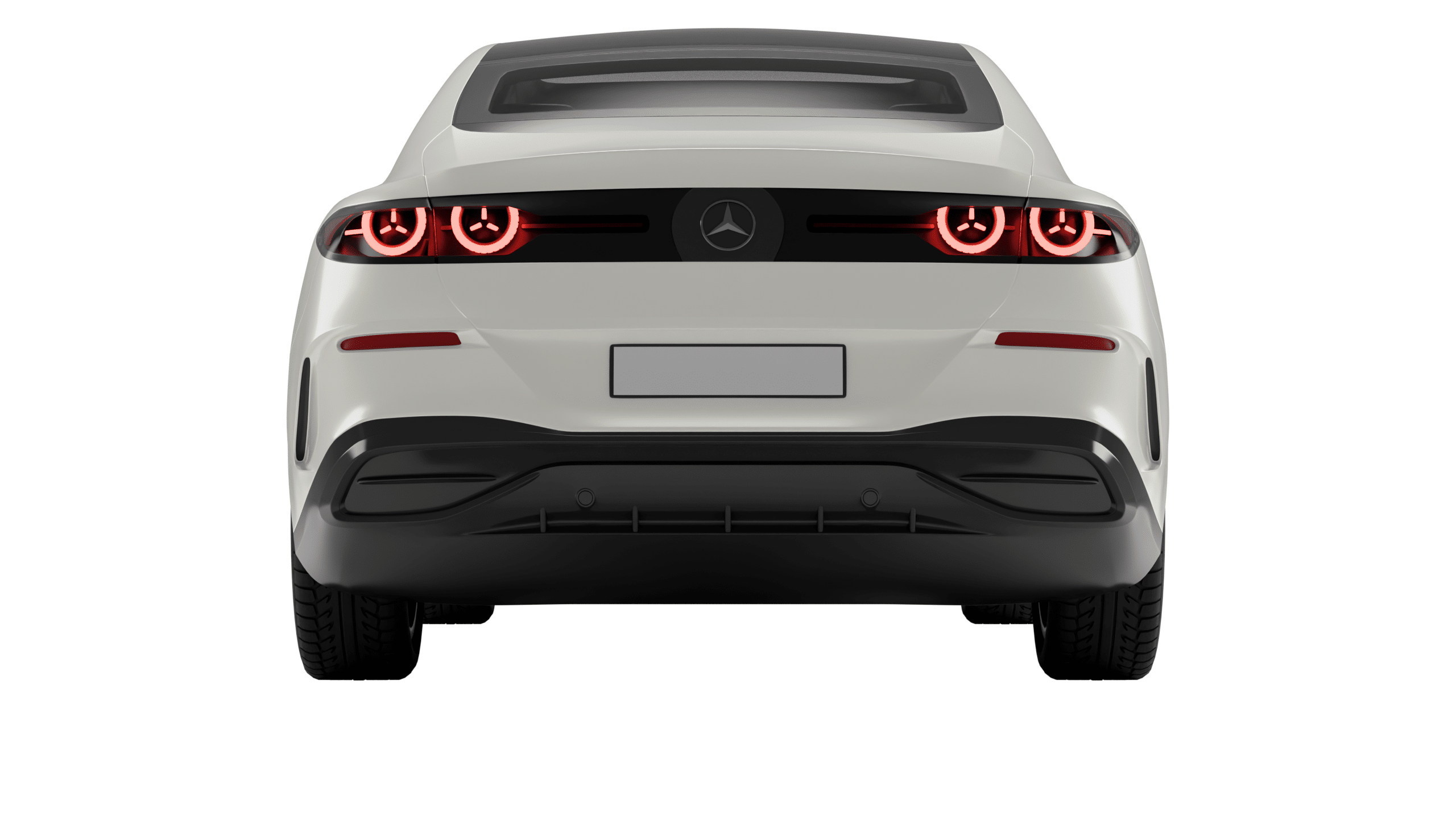
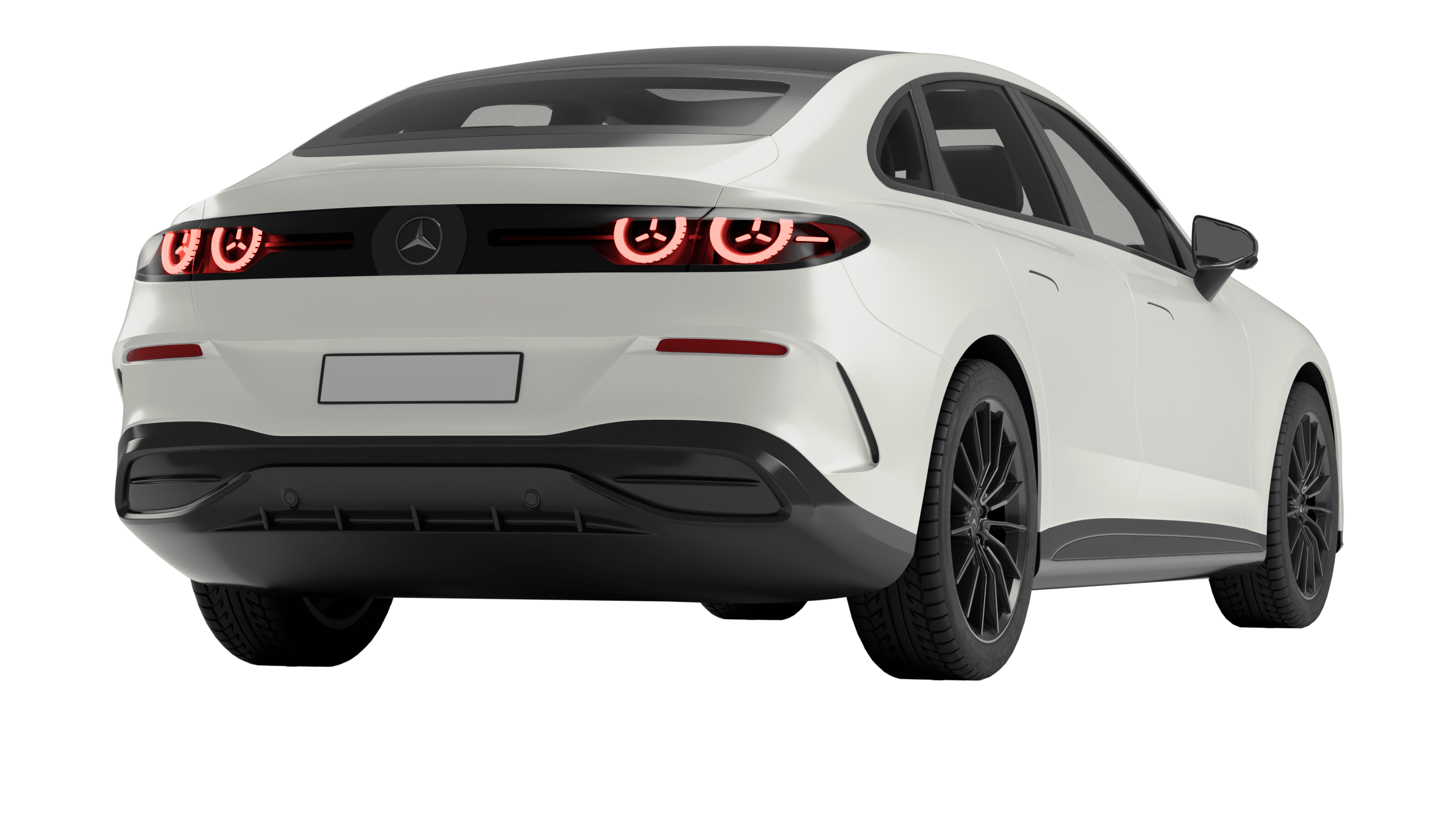
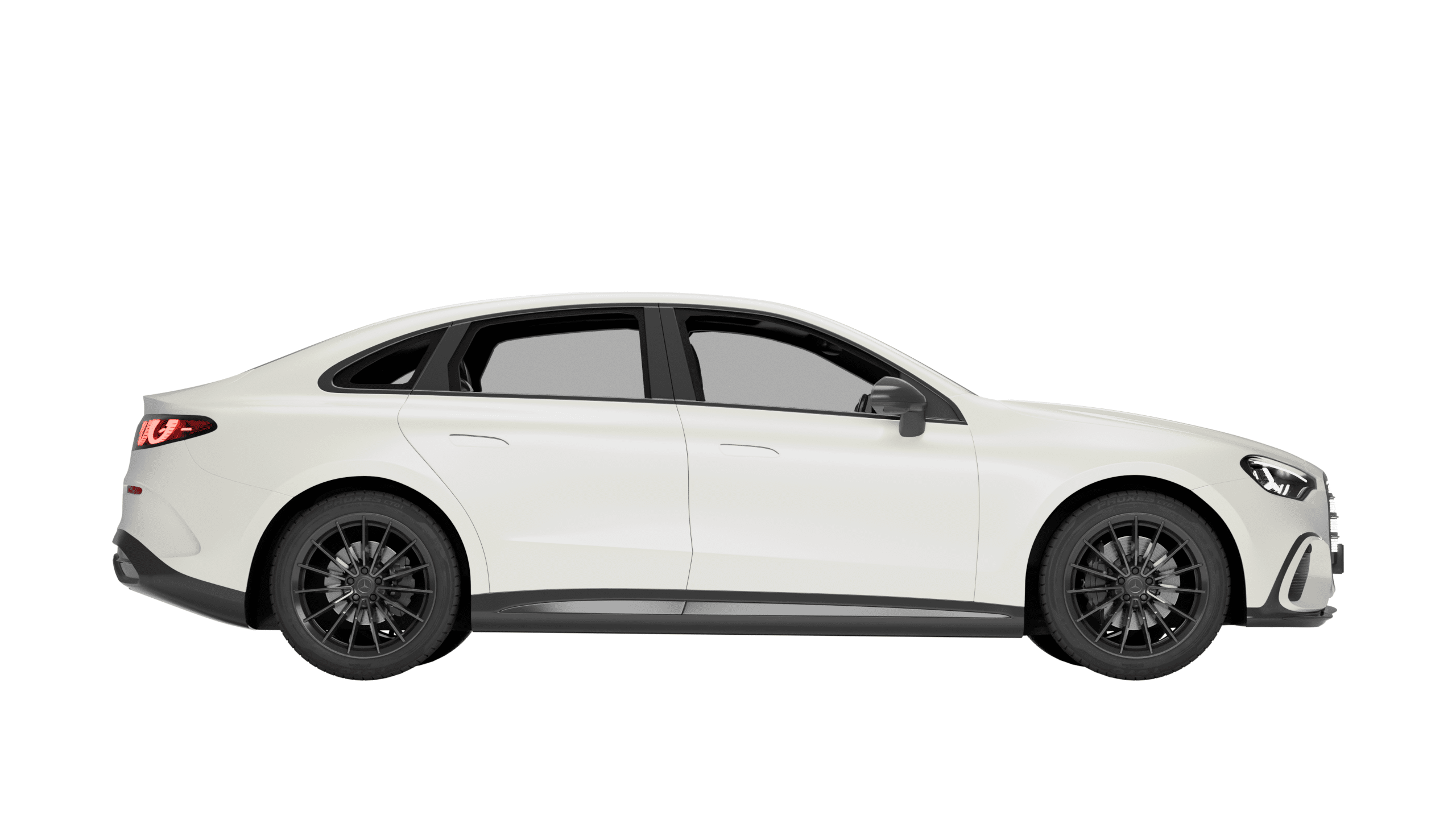
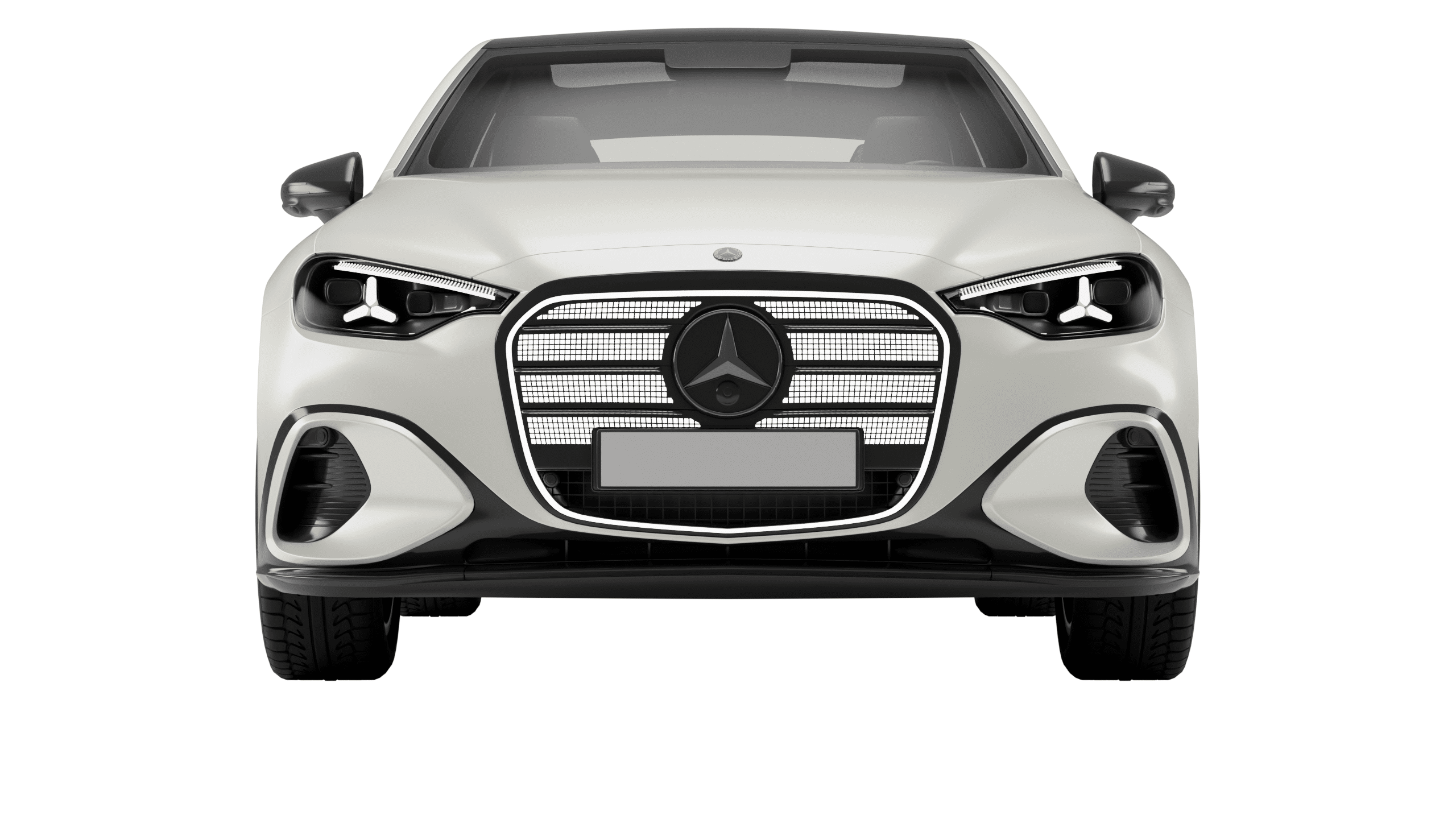
Mercedes-Benz C-Class 400 4MATIC Electric (Credit: Mercedes-Benz)
Pricing
Mercedes-Benz UK lists five specifications of the C-Class 400 4MATIC Electric for July 2026 production, with prices current in its 10 November 2026 UK document. All prices below are recommended on-the-road figures in pounds, including VAT and the stated standard delivery, registration and road-fund charges. They are not personalised finance quotations and may change with optional equipment, special paint, retailer terms or subsequent manufacturer price updates.
| UK trim | Recommended OTR price | Combined range (WLTP) | Wheel size |
|---|---|---|---|
| Sport | £57,995 | 452 miles | 19-inch |
| AMG Line | £60,995 | 447 miles | 19-inch |
| AMG Line Premium | £65,995 | 442 miles | 19-inch |
| AMG Line Premium Plus | £68,495 | 433 miles | 20-inch |
| Premier Edition | £70,995 | 428 miles | 20-inch |
An optional 22 kW AC charger costs £1,000, while the Refinement Package with air suspension and rear-wheel steering is £2,500 on eligible trims. A trailer coupling costs £1,000, metallic paints are generally £750 and selected MANUFAKTUR finishes are £1,000. Note that Mercedes-Benz quotes different price columns for the RRP including VAT and the recommended OTR price; the latter is the appropriate headline measure for a new-car buyer.
Specifications
The following figures apply to the UK Mercedes-Benz C-Class 400 4MATIC Electric unless a trim or option is identified separately. Manufacturer test-cycle ranges are comparative measures rather than guaranteed real-world mileage, while charging times assume suitably rated equipment and favourable conditions. Warranty terms are subject to the manufacturer’s certificate and exclusions, which should be confirmed at the point of sale.
| Battery, charging and warranty | UK specification |
|---|---|
| Battery technology / capacity | Lithium-ion / 94 kWh usable |
| Gross battery capacity | Not separately stated in the current UK technical table |
| Electric range (WLTP) | 428–452 miles; trim and options dependent |
| AC charging | 11 kW standard; optional 22 kW three-phase charger (£1,000) |
| 11 kW AC 0–100% | 10 hours 30 minutes, manufacturer figure |
| 7 kW AC 0–100% | 15 hours 15 minutes, manufacturer figure |
| DC charging maximum | 330 kW; compatible with 400-volt DC chargers |
| DC 10–80% | 22 minutes claimed under suitable conditions |
| Vehicle warranty | Three years; manufacturer’s standard new-car terms |
| Battery warranty | Eight years / 100,000 miles; 70% capacity threshold |
| Tailpipe CO₂ emissions | 0 g/km; does not represent full life-cycle emissions |
Illustrative home-charging costs: At an assumed electricity price of 25p per kWh, 94 kWh of energy would cost £23.50 before charging losses, or around £16.45 for 70% of the usable battery capacity. These are mathematical examples, not current tariff quotations or exact meter readings; actual costs depend on your electricity contract, charging efficiency and starting state of charge. Our home charger selection guide explains a separate practical decision when arranging a suitable installation.
| Illustrative electricity input | Calculation | Cost before charging losses |
|---|---|---|
| Full usable capacity equivalent | 94 kWh × £0.25/kWh | £23.50 |
| 10–80% usable-capacity equivalent | 65.8 kWh × £0.25/kWh | £16.45 |
| Full usable capacity at 7p/kWh illustrative off-peak rate | 94 kWh × £0.07/kWh | £6.58 |
| Dimensions, practicality and towing | UK specification |
|---|---|
| Length | 4,883 mm (Sport); 4,894 mm (AMG Line and higher) |
| Width, including mirrors | 2,066 mm |
| Height | 1,503 mm (Sport); 1,505 mm (AMG Line and higher) |
| Wheelbase | 2,962 mm |
| Kerb weight | 2,460 kg |
| Permissible gross vehicle weight | 2,965 kg |
| Seats / rear bench | Five / 40:20:40 split folding |
| Boot capacity | 470 litres |
| Front compartment | 101 litres; 80 litres to ISO 3832 |
| Braked / unbraked trailer limit | 1,800 kg / 750 kg |
| Roof load / towball weight | 75 kg / 80 kg |
| Performance and range by UK trim | Sport | AMG Line | AMG Line Premium | Premium Plus | Premier Edition |
|---|---|---|---|---|---|
| Power (all trims) | 360 kW | 360 kW | 360 kW | 360 kW | 360 kW |
| Torque (all trims) | 800 Nm | 800 Nm | 800 Nm | 800 Nm | 800 Nm |
| 0–62 mph (all trims) | 4.0 s | 4.0 s | 4.0 s | 4.0 s | 4.0 s |
| Official WLTP range | 452 mi | 447 mi | 442 mi | 433 mi | 428 mi |
| Combined consumption (Wh/km) | 150 | 152 | 154 | 158 | 160 |
| Maximum DC charging | 330 kW | 330 kW | 330 kW | 330 kW | 330 kW |
Safety equipment includes autonomous emergency braking, active blind-spot support, adaptive cruise control, lane support and PRE-SAFE across the UK range. A 360-degree camera and certain other convenience systems are associated with higher specifications, so these should not be described as universally standard. The published technical data also shows that wheel and option choices can change the certification numbers beyond the five base-trim values.
FAQs
| Frequently asked question | Answer |
|---|---|
| What is the UK starting price of the Mercedes-Benz C-Class Electric? | The C-Class 400 4MATIC Electric Sport starts at £57,995 OTR in the manufacturer’s UK price information dated 10 November 2026. |
| What is the maximum official electric range? | Sport is rated at up to 452 miles WLTP. Other UK trims are rated at 428–447 miles before additional specification-dependent adjustments. |
| How large is the battery? | Mercedes-Benz specifies 94 kWh of usable lithium-ion battery capacity. A separate gross figure is not provided in the current UK technical table. |
| Is the C-Class Electric rear-wheel drive? | The UK C 400 4MATIC version uses two electric motors and all-wheel drive. The UK document does not price a separate rear-wheel-drive derivative. |
| How fast can it charge on a public DC charger? | Up to 330 kW, with a claimed 10–80% time of 22 minutes at a suitable charger and battery condition. |
| Can it charge at an ordinary home wallbox? | Yes. The standard on-board AC charger is 11 kW, and Mercedes-Benz quotes 15 hours 15 minutes for 0–100% at a nominal 7 kW wallbox. |
| Is a 22 kW AC charger standard? | No. Mercedes-Benz lists it as a £1,000 option; achieving 22 kW requires compatible three-phase AC electricity and charging equipment. |
| Does every trim have the same range? | No. The official UK trim figures span 428–452 miles WLTP; wheels and options can alter the final certified figure. |
| Does the C-Class Electric have a front boot? | Yes. The stated front storage volume is 101 litres, or 80 litres using the alternative ISO 3832 method. |
| Can it tow a caravan or trailer? | The published braked towing limit is up to 1,800 kg, with a £1,000 optional trailer coupling. Actual range when towing will be lower. |
| What battery warranty applies? | Eight years or 100,000 miles, whichever comes first, with a 70% capacity threshold subject to the manufacturer’s detailed terms. |
| Has this electric C-Class received a Euro NCAP rating? | A model-specific independent Euro NCAP rating was not verified at the time of writing. The earlier combustion-engined C-Class rating is not transferable. |
| What is the main difference between the dashboard options? | Sport has a digital trim panel; AMG Line adds the MBUX Superscreen; AMG Line Premium and above have the 39.1-inch MBUX Hyperscreen. |
| Is this the same vehicle as the C-Class plug-in hybrid? | No. The C-Class Electric is a battery-electric vehicle with no combustion engine, while the plug-in hybrid retains one. |
While e-zoomed uses reasonable efforts to provide accurate and up-to-date information, some information comes from third parties and has not been independently verified by e-zoomed. Although these sources are believed to be reliable, no warranty, express or implied, is made by e-zoomed regarding the accuracy, adequacy, completeness, legality, reliability or usefulness of such information. This disclaimer applies to both individual and combined uses of this information.
Featured Articles
<!–
Carousel
–>
Type 2 to Type 2 EV Charging Cable: Compatible Electric Cars & Guide
The all-new Mercedes-Benz C-Class Electric (2026) brings battery-electric power to one of the most familiar names in the premium executive-saloon market. Rather than simply converting the existing combustion-engine C-Class,…
All-Electric Volkswagen ID.7: UK Prices, Specs, Range & Buying Guide
The all-new Mercedes-Benz C-Class Electric (2026) brings battery-electric power to one of the most familiar names in the premium executive-saloon market. Rather than simply converting the existing combustion-engine C-Class,…
All-Electric Polestar 5 Grand Tourer (2026): UK Prices, Specs, Range & Buying Guide
The all-new Mercedes-Benz C-Class Electric (2026) brings battery-electric power to one of the most familiar names in the premium executive-saloon market. Rather than simply converting the existing combustion-engine C-Class,…
Featured Products
-
<!–
–>Sale!
Best-In-Class Home Solar Bundle Offer (440W All Black Jinko Solar 8 Panels + Sungrow Hybrid Inverter 3.6 kW): price includes product supply only
<!– –>
Original price was: £2,205.95.£2,150.95Current price is: £2,150.95. (Including VAT)
<!–
–>
<!– Term:
NEDC range:
Model Year:
Deposit: £
Miles Per AnnumSubject to status and conditions –>
Brand:SungrowJinko SolarCategory:Solar<!– –>
-
<!–
–>Sale!
Best-In-Class Home Solar Bundle Offer (440W All Black Jinko Solar 8 Panels + Sungrow Battery Storage 6.4 kWh + Sungrow Hybrid Inverter 3.6 kW): price includes product supply only
<!– –>
Original price was: £5,010.95.£4,800.95Current price is: £4,800.95. (Including VAT)
<!–
–>
<!– Term:
NEDC range:
Model Year:
Deposit: £
Miles Per AnnumSubject to status and conditions –>
Brand:SungrowJinko SolarCategory:Solar<!– –>
-
<!–
–>Sale!
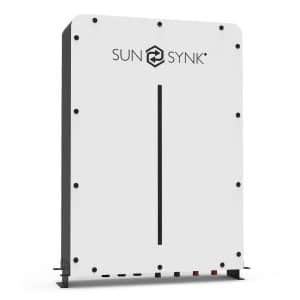
Bundle Offer: SUNSYNK LifePO4 Home Battery Storage (5.32 kWh) + SUNSYNK Hybrid Inverter (3.6 kW/Single-Phase): price includes product supply only
<!– –>
Original price was: £3,345.95.£3,299.95Current price is: £3,299.95. (Including VAT)
<!–
–>
<!– Term:
NEDC range:
Model Year:
Deposit: £
Miles Per AnnumSubject to status and conditions –>
Brand:Sun SynkCategory:Battery Storage<!– –>
-
Bundle Offer: Tesla Powerwall 3 Home Battery Storage (13.5 kWh) + Gateway: price includes product supply only
<!– –>
£8,559.95 (Including VAT)
<!–
–>
<!– Term:
NEDC range:
Model Year:
Deposit: £
Miles Per AnnumSubject to status and conditions –>
Brand:TeslaCategory:Battery Storage<!– –>
-
<!–
–>Sale!
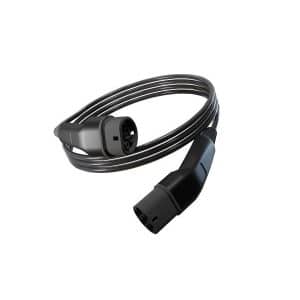
Custom-Made Single-Phase EV Charging Cable Type 2 to Type 2 (2m to 50m, 7.4 kW, 32 amp, Black)
<!– –>
Price range: £99.95 through £670.95 (Including VAT)
<!–
–>
<!– Term:
NEDC range:
Model Year:
Deposit: £
Miles Per AnnumSubject to status and conditions –>
Category:CablesType:Type 2Length (m):5 m7.5 m10 m3.5 m12.5 m15 m20 m17.5 m2 m22.5 m25 m30 m35 m40 m45 m50 mCurrent (amp):32 ampPhase:Single Phase (7.2kW)<!– –>
This product has multiple variants. The options may be chosen on the product page -
Untethered Ohme ePod Home Smart EV Charger (7.4 kW): price includes product only
<!– –>
£645.95 (Including VAT)
<!–
–>
<!– Term:
NEDC range:
Model Year:
Deposit: £
Miles Per AnnumSubject to status and conditions –>
Brand:OhmeCategory:EV Charging PointsCustomer type:ResidentialPower:7.4 kWCable:UntetheredPhase:Single Phase<!– –>

The post Mercedes-Benz C-Class Electric (2026): UK Prices, Specs, Range & Buying Guide appeared first on Ezoomed.