
Overview
BMW AG (Bayerische Motoren Werke), is a leading global automotive manufacturer (OEM) headquartered in Munich, Germany. BMW is well known for its portfolio of luxury vehicles and motorcycles, to include, the famed ultra-luxury Rolls-Royce cars. Other brands in the portfolio include, MINI and BMW Motorrad. BMW manufacturers a number of electric vehicles (EVs), to include, battery-electric vehicles (BEVs) and plug-in hybrid electric vehicles (PHEVs). The company has a number of production facilities globally. Some of these include, Hungary, Mexico, Netherlands, South Africa, China and the United States.
The company currently has the following portfolio of battery-electric vehicles (BEVs):
- All-electric BMW iX1 (BEV)
- All-electric BMW iX2 (BEV)
- All-electric BMW iX3 (BEV)
- All-electric BMW iX (BEV)
- All-electric BMW iX M (BEV)
- All-electric BMW i3 (BEV)
- All-electric BMW i4 (BEV)
- All-electric BMW i5 (BEV)
- All-electric BMW i5 M (BEV)
- All-electric BMW i5 Touring (BEV)
- All-electric BMW i5 Touring M (BEV)
- All-electric BMW i7 (BEV)
- All-electric BMW i7 M (BEV)
Electric Cars: The Basics
For those of you new to zero-emission electric driving, we recommend a read of the following articles:
Types Of Electric Cars: The Complete Electric Car Buying Guide For The UK
Overview BMW AG (Bayerische Motoren Werke), is a leading global automotive manufacturer (OEM) headquartered in Munich, Germany. BMW is well known for its portfolio of luxury vehicles and motorcycles,…
Electric Cars: Pros And Cons: The Complete Electric Car Buying Guide For The UK
Overview BMW AG (Bayerische Motoren Werke), is a leading global automotive manufacturer (OEM) headquartered in Munich, Germany. BMW is well known for its portfolio of luxury vehicles and motorcycles,…

Top Jargons Used For Electric Driving: The Complete Electric Car Buying Guide For The UK
Overview BMW AG (Bayerische Motoren Werke), is a leading global automotive manufacturer (OEM) headquartered in Munich, Germany. BMW is well known for its portfolio of luxury vehicles and motorcycles,…

Air Quality: The Complete Guide For The UK
Overview BMW AG (Bayerische Motoren Werke), is a leading global automotive manufacturer (OEM) headquartered in Munich, Germany. BMW is well known for its portfolio of luxury vehicles and motorcycles,…
Are Electric Vehicles (EVs) A New Invention? The Complete Electric Car Buying Guide For The UK
Overview BMW AG (Bayerische Motoren Werke), is a leading global automotive manufacturer (OEM) headquartered in Munich, Germany. BMW is well known for its portfolio of luxury vehicles and motorcycles,…
Sign up to the e-zoomed Electric Living newsletter
The All-Electric BMW i3 Saloon
The all-electric BMW i3 Neue Klasse mid-size saloon is the second production model developed and built on the all-new BMW Neue Klasse EV platform. The BMW i3 battery-electric vehicle (BEV) has to deliver on a benchmark set high, given the very successful five decades legacy of the BMW 3 Series and the recent positive reviews of the BMW iX3 Neue Klasse SUV. The iX3 is the first electric car to be developed and manufactured on the Neue Klasse platform. It is not an easy task, but one the BMW i3 e-saloon is certainly well placed to deliver on.
We should not confuse the BMW i3 electric saloon with the BMW i3 compact electric city hatchback. The production of the e-hatchback stopped in July 2022. A total of 250,000 units of the quirky i3 hatchbacks were produced. The BMW 3 Series is a premium executive car launched in 1975. Since then, the model has been transformed to its current eight-generation. The 3 series accounts for approximately 30% of BMW’s annual sales and 18 million units have been sold globally since 1975.
The BMW 3 Series is currently manufactured across 18 plants in 13 countries. The current generation of the 3 Series is produced in Germany, China, Mexico, India, Thailand and Brazil. BMW Group also manufactures at other global locations via partnerships. Bottom-line, given the importance of the 3 Series to BMW Group, the continued success of this 3 Series is imperative as it migrates to the all-electric Neue Klasse BMW 3 Series. And make no mistake, the all-new BMW i3 saloon is a complete reset of the 3 Series both in stying and technology.
In general, vehicles developed and manufactured on the same platform have much in common, as these vehicles share the same underpinnings and technology. Therefore, it should not come as a surprise that the BMW iX3 Neue Klasse SUV and the BMW i3 Neue Klasse saloon have much in common. And this is not a bad thing, given the exceedingly good reception received by the BMW iX3. The i3 saloon is a complete reset of the 3 Series. The i3 electric saloon is being manufactured in Munich (Germany), and in due course will also be manufactured in China and Mexico.
The BMW i3 Neue Klasse was launched in March 2026. The four-door mid-size all-electric saloon is available in one EV battery size: 108.7 kWh lithium-ion NMC EV battery (800-Volt architecture). According to the manufacturer, the BMW i3 50 xDrive can deliver up to 562 miles WLTP on single-charge. Class-leading, without an iota of doubt! Even adjusting for real-world driving conditions, the e-saloon should be able to deliver over 475 miles. In comparison, the all-electric Volvo ES90 saloon has a 106 kWh onboard EV battery with a 435 miles claimed EV range.
In general, a number of factors impact the electric range of an EV. One of these factors is the total weight of the vehicle. BMW in its new approach to development and production has focussed on reducing the weight of the EV to achieve maximum efficiency. As an example, in the BMW i3 saloon, the easily recognisable chrome kidney grille has been replaced with far lighter materials and the clever use of light, a new light signature. In the pursuit of highest possible efficiency, every gram matters!
This approach to reducing weight also transcends to the interior of the i3 electric car, where, BMW has been able to capitalise of the relatively recent trend of clean and minimalistic cabins, to further reduce the total weight of the BEV. It seems their enthusiasm has got the better of them, as the electric car has very few physical control buttons. For those new to electric cars, it is worth noting that battery-electric vehicles carry the weight of the onboard EV battery, which is heavy. In the case of the BMW iX3, the onboard EV battery (108.7 kWh) weights approximately 600 kgs. EV batteries usually account for 25% of the vehicle weight.
While on the topic of weight and efficiency, a useful tip to all EV owners. Always make it a habit to clear the car of any luggage (and items) that are not required. Every step to reduce the weight, increases the efficiency of the electric car i.e. which results in longer e-range. Other factors that impact electric range, include: driving style, speed, road surface, weather, temperature, terrain, tyre size, regenerative braking profile and more!
The onboard lithium-ion NMC EV battery incorporates the latest innovation and approach to EV batteries: ‘cell-to-pack’ (integration of cells directly into the high-voltage battery). For the nerd in you, the cylindrical cells have a 46mm diameter and 95mm height. The use of cylindrical cells results in a 20% increase in energy density and 30% faster charging speeds compared to the fifth-generation BMW eDrive technology. It is also worth noting that the latest eDrive technology in the Neue Klasse reduces energy loss by 40%, weight by 10% and costs by 20% compared to the previous generation. Bravo!! The Neue Klasse platform incorporates the sixth-generation BMW eDrive powertrain technology.
The BMW i3 electric saloon incorporates a 11 kW AC onboard charger as standard (there is an option to upgrade to 22 kW AC). Perfect for those with access to three-phase (11 kW/ 22 kW) EV charging at home, work or public EV charging destinations. At 11 kW AC the 108.7 kWh EV battery will take up to 11 hours to fully charge. Single-phase (7.4 kW) EV charging will take longer. The BMW i3 is also capable of bi-directional charging up to 11 kW and Vehicle-to-Load (V2L) up to 3.7 kW. e-zoomed has an enviable selection of V2L cables at fantastic prices. Click here to buy!
For home charging we recommend the use of a smart EV charger which is solar compatible. We at e-zoomed also encourage EV owners to install on-site (home or business) solar PV and battery storage. It is a fantastic way to leverage the potential for lower cost of ownership of an electric car, and also achieve ‘well-to-wheel’ zero-tailpipe emissions. We at e-zoomed offer a number of fantastic solar PV and battery storage bundle offers!
For those new to bi-directional (V2G) charging, the technology is fast gaining traction in Europe and beyond. V2G is an innovative bidirectional technology that allows the onboard EV battery in an electric car to be charged and discharged i.e. electrical energy to be exported/ discharged from the onboard EV battery to the grid via a V2G compatible EV charger. It also allows for vital informational flow (data) to the grid. In effect, the V2G technology allows an EV battery to be used as a grid-connected energy storage unit. V2G also opens new income streams for the EV owner!!
The BMW i3 EV incorporates direct current (DC) charging up to 400 kW. The electric car can be charged 10%-80%: 21 minutes and can add up to 248 miles in 10 minutes. Let’s hope the queue at the coffee shop is short! We like the introduction of the ‘intelligent charging flap’, which uses AI to detect when a user intends to connect or remove an EV charging cable. The charge port is located on the rear right of the vehicle.
In terms of technology and onboard equipment, the electric saloon has much to offer. The EV has four ‘superbrain’ computers that manage driving dynamics, automated driving, infotainment and other vehicle functions. A good example of the positive impact of this new technology is braking. In the i3, 98% of the braking manoeuvres are performed solely by energy recuperation. Bottom-line, higher efficiency of the vehicle. Another example of the benefit of the superbrain computer is the significant reduction in cabling in the BEV. A massive reduction of 600 metres, reducing both weight and costs.
BMW has named the new system ‘Heart of Joy’! The software for the EV has been developed in-house. Its responses are ten times faster than in previous systems. The EV uses the BMW operating system ‘X’. The EV incorporates the BMW intelligent personal assistant, Apple CarPlay and Android Auto. The EV incorporates over-the-air software updates.
The BMW i3 has yet to be awarded the Euro NCAP Safety Rating. Some of the driving aids and safety features incorporated in the electric vehicle include: lane change warning, lane keeping assistant, distance information, road priority warning, emergency brake assistant, emergency steering intervention, attentiveness assistant with emergency stop, evasion assistant, rear collision warning and more. It is also worth noting that the EV incorporates BMW Symbiotic Drive assisted Level 2 driver assistance system. Follow this link to learn about autonomous driving.
The BMW i3 is available in one powertrain option. The BMW i3 50 xDrive all-wheel drive (AWD). The EV delivers a maximum power: 469 HP/ torque: 645 Nm. The electric car has two electric motors, placed on the front and rear axles. BMW is keen to stress the that the cockpit is ‘optimised around the driver’. This is evident from the introduction of the BMW Panoramic iDrive, which also includes the very practical BMW Panoramic Vision Display, displaying customisable information at the drivers eye level. We believe an excellent introduction.
Another example of driver centric optimisation is the 3 degree angle of the 17.9″ central display towards the driver. BMW also offers an optional 3D Head-Up Display. The all-new multi-function steering wheel may need some getting used to!
A trend that has become more visible and mainstream in the recent years, is the inclusion of sustainable materials in electric cars. A key approach in the armoury of reducing the life-cycle emissions of the e-vehicle. The importance of circularity in design, development, production and end-of-life decommissioning can never be overstated. Battery-electric vehicles (BEVs) are best placed to deliver the lowest and most optimum result in this regards. The i3 incorporates Econeer seat covers made from 100% recycled polyester. It is not only the interior materials that are sustainable but all materials used in the production of the EV. In total, the i3 consists of 30% of secondary materials.
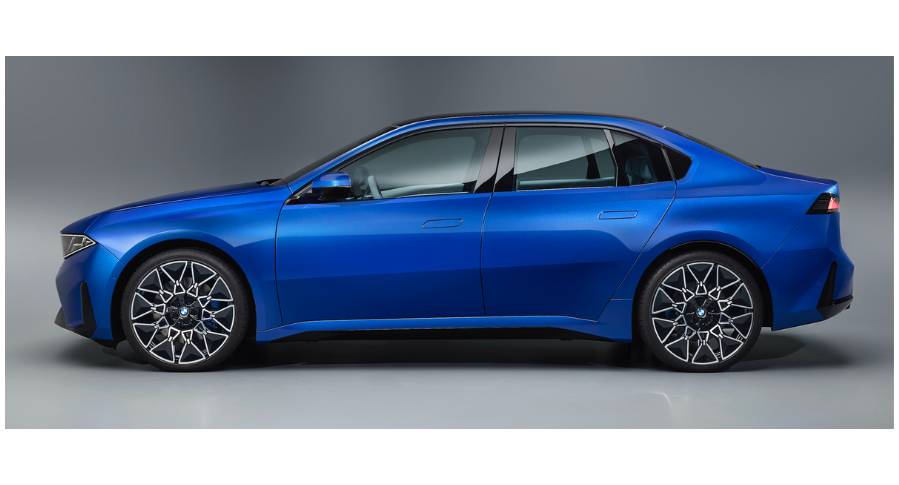
As for the exterior styling, the electric car retains the hallmark of the sporty Series 3, albeit, in a modern, clean and elegant styling. Of course, a lot of thought must have been given to improving the aerodynamics of the latest-generation BMW i3 compared to predecessors. A good example is the incorporation of the flush door handles which extend automatically. Increasing efficiency is now a ‘core strategy’ in the development of electric vehicles.
The more aerodynamic an EV, the lower the energy consumption, the longer the e-range. The sculpted bonnet and the shark-nose is a reminder of the Series fantastic legacy. There are eleven exterior colour options. We really like the new metallic colour, the M Le Castellet Blue, which is is exclusive to this range.
In terms of dimensions, the BMW i3 4.76m long and 1.48m tall (1.86m wide). In comparison, the all-electric BMW i5 is 5.06m long and the all-electric BMW i4 is 4.78m in length. The i3 EV has a generous 58 L frunk (perfect for storing a shorter length EV cable) and a 520 L boot (up to 1,750 L with rear seats folded down). The five-seat family saloon offers ample legroom and headroom for adults seated in the rear. The longer wheelbase (2.89m) of the i3 and the flat floor help increase interior cabin space. Rear-view visibility could be better. The onboard cameras certainly help improve visibility.
Is the BMW i3 a good car? We believe the premium electric saloon has much to offer, in particular, for those consumers seeking a luxurious, capable and practical zero-tailpipe emission electric family car. For those with smaller budgets, we recommend assessing the all-electric BYD SEAL saloon.
Company-car drivers can take advantage of the lower Benefit-in-Kind (BiK) tax rate for pure electric cars. Electric cars can be leased via e-zoomed at fantastic prices (to include salary sacrifice offers). Bottom-line, electric driving is good for the environment and the wallet.
| PROS | CONS |
|---|---|
| Class-leading electric range (562 miles) | Only available in one EV battery option |
| Loaded with technology and equipment, to include bidirectional charging (V2G), vehicle-to-load (V2L) | Lack of physical controls |
| DC charging up to 400 kW DC/ 11 kW AC as standard | Rear-view visibility limited |
Gallery


The All-Electric BMW i3 Saloon (credit: BMW)
| At A Glance | |
|---|---|
| EV Type: | Battery-Electric Vehicle (BEV) |
| Body Type: | Saloon |
| Engine: | Electric |
| Available In UK: | Yes |
| Variants (1 Options) |
|---|
| BMW i3 50 xDrive (from £N/A) |
| EV Battery & Emissions | |
|---|---|
| EV Battery Type: | Lithium-ion NMC |
| EV Battery Capacity: | Available in one battery size: 108.7 kWh (800 V) |
| Charging: | 400 kW DC Rapid Charging (10%-80%: 21 mins). Onboard AC charger: 11 kW AC (0%-100%: 11 hrs) |
| Charge Port: | Type 2 |
| Charge Port Location: | Rear right |
| EV Cable Type: | Type 2 |
| Tailpipe Emissions: | 0g (CO2/km) |
| EV Battery Warranty: | 8 years or 100,000 miles |
| Average Cost Of Residential Charging | |
|---|---|
| Battery net capacity : 16.7 kWh | £4.40 |
| Battery net capacity : 30.0 kWh | £7.91 |
| Battery net capacity : 39.2 kWh | £10.33 |
| Battery net capacity : 45.0 kWh | £11.86 |
| Battery net capacity : 50.0 kWh | £13.18 |
| Battery net capacity : 64.0 kWh | £16.86 |
| Battery net capacity : 71.0 kWh | £18.71 |
| Battery net capacity : 77.0 kWh | £20.29 |
| Battery net capacity : 90.0 kWh | £23.72 |
| Battery net capacity : 100.0 kWh | £26.35 |
| Battery net capacity : 112.0 kWh | £29.51 |
| Battery net capacity : 120.0 kWh | £31.62 |
| Battery net capacity : 130.0 kWh | £34.26 |
- Note 1: The average cost of residential electricity in the UK varies depending on the region, supplier and type of energy used. An average for the UK is 26.35 p/kWh.
- Note 2: Not all EV manufactures make available the data on net EV battery capacity, and in a number of instances the EV battery capacity advertised, does not state if it is gross or net capacity. In general, usable EV battery capacity is between 85% to 95% of the gross available capacity.
| Charging Times (Overview) | |
|---|---|
| Slow charging AC (3 kW – 3.6 kW): | 6 – 12 hours (dependent on size of EV battery & SOC) |
| Fast charging AC (7 kW – 22 kW): | 3 – 8 hours (dependent on size of EV battery & SoC) |
| Rapid charging AC (43 kW): | 0-80%: 20 mins to 60 mins (dependent on size of EV battery & SoC) |
| Rapid charging DC (50 kW+): | 0-80%: 20 mins to 60 mins (dependent on size of EV battery & SoC) |
| Ultra rapid charging DC (150 kW – 350 kW): | 0-80% : 20 mins to 40 mins (dependent on size of EV battery & SoC) |
| Tesla Supercharger (120 kW – 350 kW): | 0-80%: up to 25 mins (dependent on size of EV battery & SoC) |
- Note 1: SoC: state of charge
| Dimensions | |
|---|---|
| Height (mm): | 1480 |
| Width (mm): | 1865 (not including mirrors) |
| Length (mm): | 4760 |
| Wheelbase (mm): | 2897 |
| Turning Circle (m): | N/A |
| Boot Space (L): | 520 (up to 1,750 L with rear seats folded down) |
| Frunk (L): | 58 |
| BMW i3 50 xDrive | |
|---|---|
| EV Battery Capacity: | 108.7 kWh (800 V) |
| Pure Electric Range (WLTP-combined): | 562 miles |
| Electric Energy Consumption (kWh/62miles): |
N/A |
| Miles per kWh: | 5.17 |
| Charging: | 400 kW DC Rapid Charging (10%-80%: 21 mins). Onboard AC charger: 11 kW AC (0%-100%: 11 hrs 0 mins) |
| Top Speed: | N/A mph |
| 0-62 mph: | N/A seconds |
| Drive: | All-wheel drive (AWD) |
| Electric Motor (kW): | 345 |
| Horsepower (hp): | 469 |
| Torque (Nm): | 645 |
| Transmission: | Automatic |
| Seats: | 5 |
| Doors: | 5 |
| Weight (kg): | N/A |
| Towing Capacity (Braked/Unbraked)/ (kg): | N/A |
| Colours: | 8 |
| NCAP Safety Rating: | N/A |
| Insurance Group: | N/A |
While e-zoomed uses reasonable efforts to provide accurate and up-to-date information, some of the information provided is gathered from third parties and has not been independently verified by e-zoomed. While the information from the third party sources is believed to be reliable, no warranty, express or implied, is made by e-zoomed regarding the accuracy, adequacy, completeness, legality, reliability or usefulness of any information. This disclaimer applies to both isolated and aggregate uses of this information.
Featured Articles
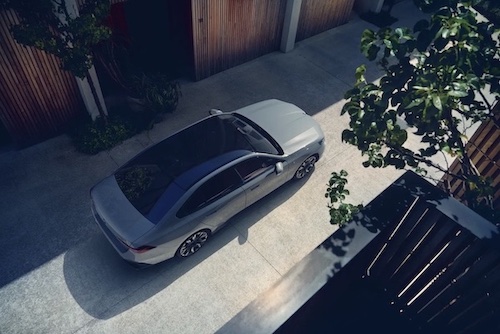
The All-Electric BMW i5 (Saloon): The Complete Electric Car Buying Guide For The UK
Overview BMW AG (Bayerische Motoren Werke), is a leading global automotive manufacturer (OEM) headquartered in Munich, Germany. BMW is well known for its portfolio of luxury vehicles and motorcycles,…
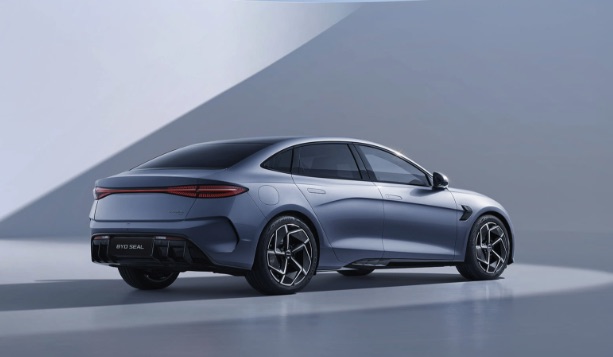
The All-Electric BYD SEAL (Saloon): The Complete Electric Car Buying Guide For The UK
Overview BMW AG (Bayerische Motoren Werke), is a leading global automotive manufacturer (OEM) headquartered in Munich, Germany. BMW is well known for its portfolio of luxury vehicles and motorcycles,…
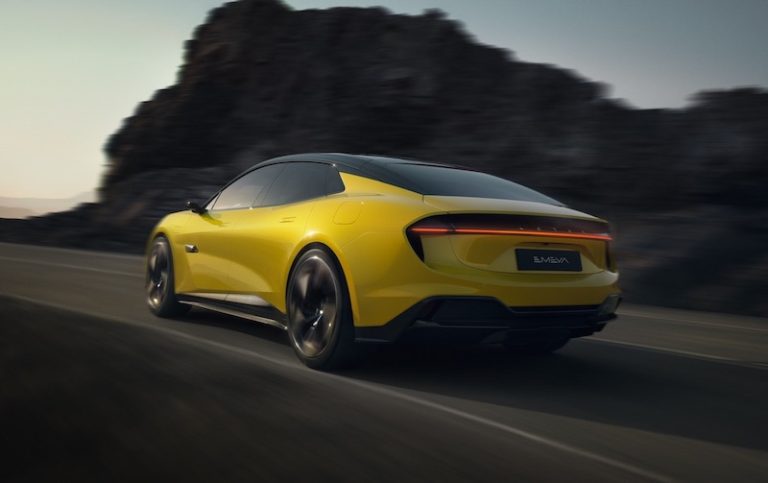
The All-Electric Lotus Emeya Hyper-GT (Saloon): The Complete Electric Car Buying Guide For The UK
Overview BMW AG (Bayerische Motoren Werke), is a leading global automotive manufacturer (OEM) headquartered in Munich, Germany. BMW is well known for its portfolio of luxury vehicles and motorcycles,…
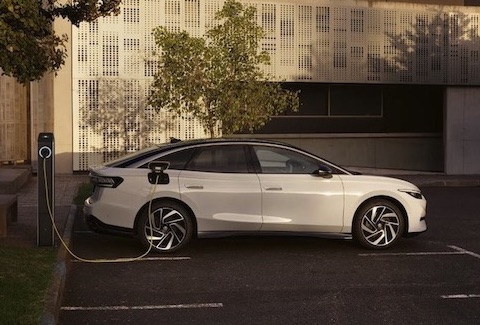
The All-Electric Volkswagen ID.7 (Saloon): The Complete Electric Car Buying Guide For The UK
Overview BMW AG (Bayerische Motoren Werke), is a leading global automotive manufacturer (OEM) headquartered in Munich, Germany. BMW is well known for its portfolio of luxury vehicles and motorcycles,…

The All-Electric Volvo ES90 (Saloon): The Complete Electric Car Buying Guide For The UK
Overview BMW AG (Bayerische Motoren Werke), is a leading global automotive manufacturer (OEM) headquartered in Munich, Germany. BMW is well known for its portfolio of luxury vehicles and motorcycles,…
Featured Products
-
Best-In-Class Home Solar Bundle Offer (440W All Black Jinko Solar 8 Panels + Sungrow Hybrid Inverter 3.6 kW): price includes product supply only – free delivery
Original price was: £2,205.95.£2,150.95Current price is: £2,150.95. (Including VAT)
-
Best-In-Class Home Solar Bundle Offer (440W All Black Jinko Solar 8 Panels + Sungrow Battery Storage 6.4 kWh + Sungrow Hybrid Inverter 3.6 kW): price includes product supply only – free delivery
Original price was: £5,010.95.£4,800.95Current price is: £4,800.95. (Including VAT)
-
Bundle Offer: SUNSYNK LifePO4 Home Battery Storage (5.32 kWh) + SUNSYNK Hybrid Inverter (3.6 kW/Single-Phase): price includes product supply only – free delivery
Original price was: £3,345.95.£3,299.95Current price is: £3,299.95. (Including VAT)
-

Bundle Offer: Tesla Powerwall 3 Home Battery Storage (13.5 kWh) + Gateway: price includes product supply only – free delivery
£8,559.95 (Including VAT)
-
Custom-Made Single-Phase EV Charging Cable Type 2 to Type 2 (2m to 50m, 7.4 kW, 32 amp, Black) – Built & Tested In The UK – Free Delivery
Price range: £99.95 through £670.95 (Including VAT)
Category:CablesType:Type 2Length (m):5 m7.5 m10 m3.5 m12.5 m15 m20 m17.5 m2 m22.5 m25 m30 m35 m40 m45 m50 mCurrent (amp):32 ampPhase:Single Phase (7.2kW)
This product has multiple variants. The options may be chosen on the product page -

Untethered Ohme ePod Home Smart EV Charger (7.4 kW): price includes product only – free delivery
£645.95 (Including VAT)
Brand:OhmeCategory:EV Charging PointsCustomer type:ResidentialPower:7.4 kWCable:UntetheredPhase:Single Phase
The post The All-Electric BMW i3 Neue Klasse (Saloon): The Complete Electric Car Buying Guide For The UK appeared first on Ezoomed.