
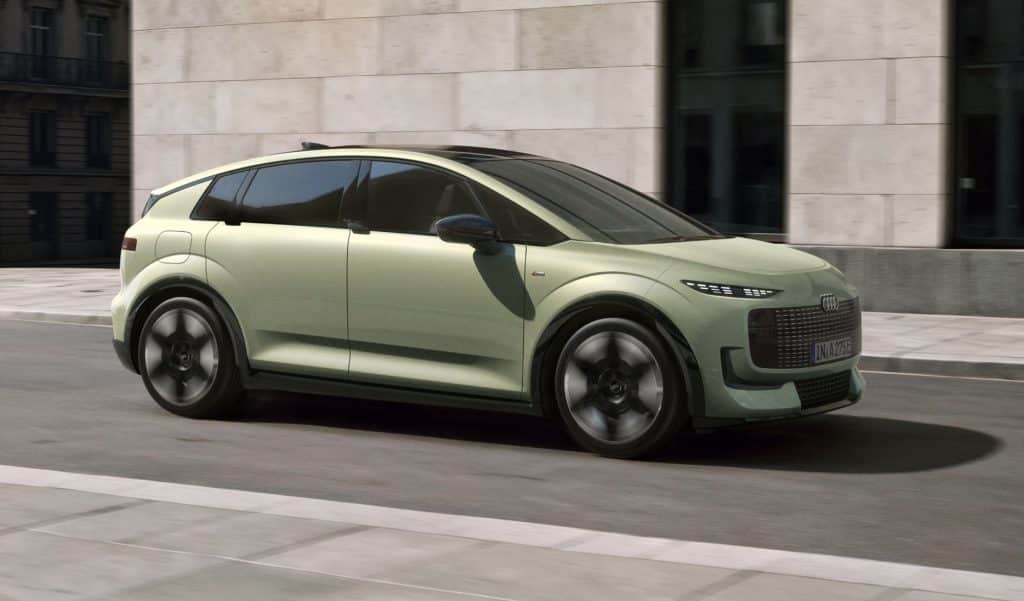
The Audi A2 e-tron is a fully electric, five-seat compact hatchback designed to combine premium technology, exceptional energy efficiency and everyday practicality. With an announced UK starting price of £32,200 on the road, three battery capacities and an official WLTP driving range of up to 397 miles, the A2 e-tron represents a new entry point into Audi’s fully electric vehicle range.
Available with four power outputs — 170 PS, 190 PS, 231 PS and 326 PS — the A2 e-tron offers rear-wheel drive, 52 kWh, 61 kWh and 84 kWh batteries, and DC rapid charging at up to 183 kW. Buyers can choose from Technik, Sport, S line and Edition 1 equipment trims, depending on the powertrain and configuration.
The new model revives the name of the original Audi A2, a distinctive lightweight and aerodynamically efficient car produced between 1999 and 2005. The fully electric successor retains the emphasis on efficiency while introducing a more spacious interior, modern digital technology and advanced battery systems.
The Audi A2 e-tron competes with premium compact electric cars such as the Volvo EX30, Cupra Born and Volkswagen ID.3, while buyers seeking a larger electric Audi may also consider the Audi Q4 e-tron electric SUV.
UK orders opened in October 2026, with the first customer deliveries expected in early 2027. In this e-zoomed guide, we examine the Audi A2 e-tron’s UK prices, battery technology, electric range, charging, practicality, equipment, performance, safety and ownership costs. We also assess which powertrain offers the most appropriate balance of range, value and everyday usability.
At a glance
| Feature | Audi A2 e-tron (2026) |
|---|---|
| Vehicle type | Battery electric vehicle (BEV) |
| Body type | Five-door compact hatchback |
| UK availability | Available to order; customer deliveries expected early 2027 |
| Announced UK starting price | From £32,200 OTR |
| UK equipment trims | Technik, Sport, S line, Edition 1 |
| Powertrain versions | 170 PS, 190 PS, 231 PS, 326 PS |
| Seating capacity | 5 |
| Gross battery capacity | 52 kWh / 61 kWh / 84 kWh |
| Battery chemistry | LFP / NMC, depending on powertrain |
| Electric range (WLTP combined) | 262–397 miles |
| Maximum motor power | 125–240 kW |
| Maximum torque | 350–545 Nm |
| Drivetrain | Rear-wheel drive |
| Acceleration (0–62 mph) | 5.7–8.8 seconds |
| Top speed | 99–124 mph |
| Maximum AC charging | 11 kW |
| Maximum DC charging | 100–183 kW |
| DC charging (10–80%) | 24–29 minutes, depending on battery |
| Boot capacity | 396 litres |
| Maximum boot capacity | 1,336 litres |
| Aerodynamic drag coefficient | 0.24 |
| Independent crash-test rating | No verified A2 e-tron-specific rating established |
| Tailpipe CO₂ emissions | 0 g/km |
According to Audi’s published UK manufacturer data reviewed in November 2026. The £32,200 starting figure comes from the September 2026 UK launch announcement; Audi’s subsequently displayed UK model-page starting price of £32,825 includes metallic paint. Actual OTR prices depend on the selected configuration. Battery capacity, WLTP range, charging power and equipment vary by version. WLTP figures are measured under standardised conditions and do not guarantee real-world driving range.
Table of Contents
Pros & cons
| Pros | Cons |
|---|---|
| 1. Exceptional efficiency and range: The A2 e-tron offers up to 397 miles WLTP, while Audi quotes energy consumption as low as 12.8 kWh/100 km with the appropriate efficiency configuration. | 1. Expensive higher specifications: Although the entry price is competitive for a premium electric car, larger batteries, higher trims and desirable optional equipment substantially increase the purchase price. |
| 2. Practical and technology-rich: A 396-litre boot, spacious five-seat interior, dual digital displays, advanced driver assistance and flexible cabin storage support everyday use. | 2. Ride and refinement compromises: Independent prototype assessments identified firm suspension responses and noticeable road noise on certain configurations. Production-model behaviour still requires confirmation. |
| 3. Choice of batteries and charging capabilities: Three battery sizes, up to 183 kW DC charging and optional bidirectional charging make the A2 e-tron adaptable to different ownership requirements. | 3. Equipment restrictions: Bidirectional charging is unavailable on the entry-level Technik trim, while advanced headlights, premium audio and several comfort features are optional or limited to higher specifications. |
Sign up to the e-zoomed Electric Living newsletter
About Audi: The company behind the A2 e-tron
Audi is a German premium automotive manufacturer headquartered in Ingolstadt, Bavaria. The company’s modern history is associated with the consolidation of several automotive businesses, represented by the four rings of its corporate emblem.
Audi forms part of the Volkswagen Group and manufactures a range of passenger vehicles, including petrol, diesel, plug-in hybrid and fully electric models. Its premium positioning is associated with engineering, technology, design and interior quality.
The manufacturer’s electric vehicle strategy has developed around the e-tron designation, initially introduced through concept vehicles before expanding into production models.
Audi’s current electric range includes the Q4 e-tron, Q6 e-tron, A6 e-tron and e-tron GT, addressing different requirements for vehicle size, driving performance, technology and price.
The A2 e-tron represents an important expansion into the compact electric-car segment. Rather than focusing primarily on battery capacity or maximum performance, Audi has designed the vehicle around the efficient use of electricity, aerodynamic performance and interior space.
Its name recalls the original Audi A2, introduced in 1999, which was notable for its lightweight aluminium construction and emphasis on fuel efficiency. Although the new A2 e-tron uses different engineering technology, both vehicles share an efficiency-focused philosophy.
The electric A2 is developed and manufactured in Germany at Audi’s Ingolstadt plant. Production makes use of existing manufacturing infrastructure and modern automated processes.
For motorists considering the transition from conventional vehicles, our guide to the different types of electric vehicles explains the differences between battery-electric, hybrid and plug-in hybrid technology.
Meet the Audi A2 e-tron
The A2 e-tron combines an unusually aerodynamic compact body with the battery technology, driving range and digital systems associated with larger electric vehicles.
Overview
The Audi A2 e-tron is a five-door compact electric hatchback measuring approximately 4,324 mm in length and 1,789 mm in width excluding mirrors. Its height varies according to the chosen chassis and equipment, while the wheelbase is approximately 2,770 mm.
Its exterior incorporates a rounded front profile, flowing roofline, short overhangs and distinctive rear design. The split rear-window styling references the original Audi A2 while contributing to the vehicle’s aerodynamic character.
Audi has placed particular emphasis on reducing aerodynamic resistance. The vehicle incorporates an active cooling-air intake, specially designed wheel-arch elements, aerodynamic wheels and carefully managed airflow beneath the body.
The result is a manufacturer-published drag coefficient of 0.24, helping to reduce the energy required for higher-speed driving.
The A2 e-tron uses rear-wheel drive and is available with four motor outputs, ranging from 125 kW to 240 kW. Buyers can choose three battery capacities, allowing the vehicle to serve different purposes, from urban commuting to longer-distance travel.
The cabin combines Audi’s Softwrap interior design, dual digital displays and a range of storage innovations. A new magnetic fastening system provides additional flexibility for securing compatible accessories within the passenger compartment and luggage area.
Independent early assessments of pre-production vehicles generally highlight the A2 e-tron’s strong efficiency, useful acceleration and distinctive cabin design. However, some prototype tests reported firm suspension behaviour, limited ride compliance and noticeable tyre or road noise.
These driving observations should be treated as preliminary because they relate to development vehicles rather than every final UK production configuration.
Overall, the A2 e-tron is designed for motorists seeking premium electric mobility, practical interior space and strong energy efficiency without requiring a large SUV.
Battery & range
The Audi A2 e-tron is available with three gross battery capacities: 52 kWh, 61 kWh and 84 kWh.
The smaller 52 kWh and 61 kWh batteries use lithium iron phosphate (LFP) chemistry, while the larger 84 kWh battery uses nickel-manganese-cobalt (NMC) chemistry.
The LFP batteries employ a cell-to-pack construction, allowing the cells to be integrated efficiently into the battery housing. This contributes to compact packaging and helps maximise the space available inside the vehicle.
LFP chemistry avoids the use of nickel and cobalt in the battery cathode and is widely valued for its durability and thermal-stability characteristics. NMC chemistry can support greater energy density, making it suitable for applications requiring higher battery capacity.
Battery longevity nevertheless depends on factors beyond chemistry, including temperature management, charging patterns, battery control systems and vehicle operating conditions.
According to Audi’s UK manufacturer data, the 170 PS version has an official WLTP combined range of up to 262 miles, while the 190 PS version increases this to 320 miles.
The 231 PS version, equipped with the 84 kWh battery, achieves the maximum published WLTP range of 397 miles. The more powerful 326 PS version offers up to 391 miles.
| Battery and range | 170 PS | 190 PS | 231 PS | 326 PS |
|---|---|---|---|---|
| Gross battery capacity | 52 kWh | 61 kWh | 84 kWh | 84 kWh |
| Battery chemistry | LFP | LFP | NMC | NMC |
| Maximum WLTP range | 262 miles | 320 miles | 397 miles | 391 miles |
| Motor power | 125 kW | 140 kW | 170 kW | 240 kW |
| Maximum torque | 350 Nm | 350 Nm | 350 Nm | 545 Nm |
| Drivetrain | RWD | RWD | RWD | RWD |
Manufacturer-published UK figures. Battery capacities are stated as gross capacities. Usable battery capacity is lower and should not be assumed to equal the gross figure. Range varies according to battery, motor output, selected equipment and wheels.
The Worldwide Harmonised Light Vehicle Test Procedure (WLTP) measures electric vehicle range under standardised conditions, allowing buyers to compare different models.
Real-world range will depend on motorway speed, temperature, heating and air-conditioning usage, road gradients, vehicle load, tyre selection and driving style.
Audi’s efficiency-focused development allows the A2 e-tron to achieve particularly low energy consumption. The manufacturer quotes as little as 12.8 kWh/100 km for the 190 PS version with the appropriate optional efficiency configuration.
This exceptionally low figure should not be assumed to apply to every A2 e-tron. The UK’s standard equipment configurations and selected options can produce higher combined electricity-consumption figures.
Independent pre-production driving assessments have reported encouraging efficiency, with some tests exceeding five miles per kWh under favourable conditions. However, these outcomes were achieved using specific development vehicles and should not be interpreted as guaranteed everyday results for all UK owners.
For drivers with predictable daily journeys, the 52 kWh battery may offer sufficient range at a lower purchase price. The 61 kWh version provides additional flexibility without requiring the larger and more expensive 84 kWh battery.
The 84 kWh versions are likely to appeal particularly to motorists undertaking frequent longer journeys, although buyers should consider the additional cost and the energy requirements of the more powerful configuration.
For a wider assessment of electric vehicle ownership, see our guide to the pros and cons of electric cars.
Charging
The Audi A2 e-tron supports alternating-current (AC) charging for home, workplace and destination charging, together with direct-current (DC) rapid charging for longer journeys. Our beginner’s guide to charging an electric car explains the main charging methods and equipment.
All four powertrains support AC charging at up to 11 kW using suitable infrastructure.
The maximum DC charging capability varies with battery capacity. The 52 kWh battery supports up to 100 kW, the 61 kWh battery up to 105 kW, and the 84 kWh battery up to 183 kW.
According to Audi’s UK technical data, the 52 kWh battery can be charged from 10% to 80% in approximately 24 minutes. The 61 kWh version requires approximately 26 minutes, while the larger 84 kWh battery takes approximately 29 minutes under suitable conditions.
| Charging specification | 52 kWh | 61 kWh | 84 kWh |
|---|---|---|---|
| Maximum AC charging | 11 kW | 11 kW | 11 kW |
| Maximum DC charging | 100 kW | 105 kW | 183 kW |
| DC charging (10–80%) | 24 minutes | 26 minutes | 29 minutes |
| AC connector | Type 2 | Type 2 | Type 2 |
| DC connector | CCS2 | CCS2 | CCS2 |
| AC charging at home | Supported | Supported | Supported |
Manufacturer-quoted maximum charging capabilities and charging times. The fastest DC charging figures require suitable infrastructure and battery conditions. Maximum charging power is not sustained throughout the charging session. Actual charging time depends on the charger’s available output, battery temperature and state of charge.
Although the larger battery supports higher peak DC charging power, it also contains substantially more energy. Consequently, the fastest charging variant in terms of time spent between 10% and 80% is not necessarily the one with the highest maximum charging power.
The A2 e-tron’s relatively short manufacturer-quoted charging times should make it practical for longer journeys, provided suitable public charging stations are available.
Our guide explaining how long it takes to charge an electric car examines the factors influencing charging performance.
Most UK households use single-phase electrical supplies, with dedicated domestic EV chargers commonly providing up to approximately 7.4 kW, subject to installation conditions. The vehicle’s 11 kW maximum AC capability generally requires suitable three-phase electrical infrastructure.
Home charging can be convenient for owners who can recharge overnight, especially when combined with an appropriate off-peak electricity tariff.
The A2 e-tron also supports optional bidirectional charging on Sport trim and above. Vehicle-to-Load (V2L) can supply electricity to compatible external equipment using appropriate connections, while Vehicle-to-Home (V2H) is intended to allow energy transfer to a household through suitable bidirectional charging infrastructure.
Audi’s UK information identifies V2L and V2H among the vehicle’s capabilities. However, UK owners should confirm compatible equipment, software activation, installation requirements and any restrictions before relying on these functions.
V2H requires a purpose-designed system and appropriate electrical installation. It must not be confused with connecting an ordinary appliance directly to the vehicle through a suitable V2L adaptor.
Additional information about charging equipment, public networks and ownership considerations is available through our electric vehicle charging guides.
Practicality
Practicality is an important aspect of the Audi A2 e-tron’s design. Despite its compact exterior dimensions, the relatively long wheelbase and efficient electric drivetrain packaging help create a useful passenger compartment.
The A2 e-tron measures approximately 4,324 mm in length, 1,789 mm in width excluding mirrors and 2,039 mm including mirrors. Its wheelbase is approximately 2,770 mm, supporting passenger space within the compact body.
The rear boot provides 396 litres of capacity with all five seats available, expanding to 1,336 litres with the rear seats folded.
This luggage capacity should be sufficient for most everyday shopping, commuting and smaller-family requirements. Buyers who frequently carry prams, large suitcases or bulky sports equipment should nevertheless assess the boot shape and loading opening during a vehicle demonstration.
The relatively upright roofline and long wheelbase contribute to rear passenger accommodation. Early independent assessments suggest that rear headroom and legroom are favourable for a compact hatchback, although taller occupants should check the seating arrangement personally.
The vehicle’s distinctive split rear-window design creates an unusual exterior appearance. Buyers should consider how this arrangement influences rearward visibility and their preference for the available camera-assisted parking systems.
A particularly distinctive practical feature is the FIDLOCK magnetic fastening system. This allows compatible accessories to be attached to designated points in the cabin and luggage compartment.
Examples include modular cupholders, storage accessories and charging-cable bags. This approach allows some storage components to be repositioned according to everyday requirements.
The A2 e-tron’s compact footprint may also make it more convenient than a larger SUV for urban streets and parking, although its width including mirrors should be considered when assessing narrow garages.
For readers comparing different electric vehicle body styles and practical requirements, our electric-car knowledge guides provide further background.
Technology & equipment
The Audi A2 e-tron incorporates a comprehensive digital cabin, with a strong emphasis on connected technology and everyday convenience.
The standard MMI panoramic display combines an 11.9-inch digital driver display with a 12.8-inch curved central touchscreen. These systems provide vehicle information, navigation, entertainment and access to selected controls.
The manufacturer’s infotainment technology includes the e-tron route planner, which can help identify suitable charging stops and support battery preconditioning when planning longer journeys.
The vehicle also incorporates Audi’s digital assistant, with selected artificial-intelligence functions and connected services. Feature availability depends on the specification, service arrangements and software version.
Across the principal UK trim range, buyers can choose Technik, Sport, S line and Edition 1. The starting equipment level is relatively generous, while higher versions offer additional design, comfort and technology features.
The Technik includes 18-inch alloy wheels, comfort suspension, adaptive cruise control, a reversing camera, heated steering wheel and convenience climate-control functionality.
The Sport adds selected comfort and convenience features, including upgraded infotainment and audio, enhanced luggage-compartment equipment, keyless access and bidirectional charging capability.
The S line introduces sportier styling, 19-inch alloy wheels, sports front seats, privacy glass and distinctive interior and exterior design elements.
The Edition 1 adds additional premium equipment, including electronically controlled dampers, progressive steering, memory settings and enhanced surround-view parking technology. Its distinctive 20-inch alloy wheels further distinguish the model.
The optional Technology Pack incorporates features such as Matrix LED headlights, augmented-reality head-up display capability and a premium 14-speaker SONOS sound system. Some of these features are already included in the Edition 1 configuration.
The cabin also features wireless smartphone charging and the modular magnetic storage system. Audi’s interior approach combines digital technology with practical materials and flexible storage rather than relying exclusively on conventional luxury styling.
Independent early assessments generally describe the cabin as modern and thoughtfully designed. However, some users may prefer more physical controls for frequently adjusted functions, and the final experience should be evaluated in a production UK vehicle.
Buyers should confirm the exact equipment fitted to their chosen trim, particularly when comparing the Technology Pack, lighting upgrades, suspension and driver-assistance options.
Performance
The Audi A2 e-tron is available with four rear-wheel-drive powertrains, offering motor outputs ranging from 125 kW to 240 kW.
The entry-level 170 PS version produces 125 kW and 350 Nm of torque, accelerating from 0 to 62 mph in a manufacturer-quoted 8.8 seconds.
The 190 PS version increases power to 140 kW while retaining 350 Nm of torque, reducing the quoted 0–62 mph acceleration time to 7.9 seconds.
The 231 PS version produces 170 kW and 350 Nm, completing the same acceleration in 7.0 seconds. It is paired with the larger 84 kWh battery and offers the highest official WLTP range.
The most powerful 326 PS version produces 240 kW and 545 Nm of torque, accelerating from 0 to 62 mph in just 5.7 seconds.
The A2 e-tron uses a single-speed electric transmission, avoiding conventional gear changes and providing smooth acceleration from low speeds.
Audi has developed the electric motor, power electronics and transmission with an emphasis on efficiency. Measures include the use of silicon-carbide semiconductor technology, reduced transmission friction and improved energy management.
The vehicle also incorporates adjustable regenerative braking. Drivers can select different levels of deceleration, while the B position provides stronger regeneration and supports one-pedal driving under suitable conditions.
Early independent prototype assessments have generally identified good acceleration, direct steering and encouraging overall efficiency. However, some development vehicles fitted with sportier suspension settings were criticised for a firm ride and noticeable road noise.
These observations do not establish the ride characteristics of every final production version. The suspension specification, selected wheels and road conditions may materially affect the driving experience.
For most motorists, the 170 PS or 190 PS versions are likely to provide adequate everyday performance. The 231 PS version offers additional acceleration alongside the longest official range, while the 326 PS configuration is more appropriate for buyers who place particular value on performance.
Safety
The Audi A2 e-tron incorporates a range of passive safety systems and modern electronic driver-assistance technology.
According to Audi’s UK manufacturer information, the standard equipment includes emergency brake assistance, evasive steering assistance, driver-attention monitoring, adaptive cruise control, parking sensors and a reversing camera.
These technologies are designed to support the driver by identifying certain hazards, assisting with vehicle control and helping reduce the risk or severity of particular collisions.
Additional safety and parking features are available depending on trim and selected equipment packages. These can include surround-view cameras, automated parking assistance and enhanced occupant-protection systems.
Audi’s optional emergency-assistance technology can respond when the driver fails to react to specified warnings, with functions intended to bring the vehicle to a controlled stop under suitable operating conditions.
Advanced assistance systems should not be confused with autonomous driving. The driver remains responsible for observing road conditions, operating the vehicle safely and understanding the limitations of the technology.
At the time of this review, an independently verified European crash-test rating specifically awarded to the Audi A2 e-tron has not been established. Safety ratings awarded to other Audi models should not automatically be applied to the A2 e-tron.
Buyers should also verify child-seat mounting provisions, airbag equipment and the precise safety specification of the vehicle being purchased.
As with other new vehicles, it will be useful to review any subsequently published independent crash-test results and the final production version’s driver-assistance performance.
The verdict
The Audi A2 e-tron is a promising addition to the UK premium compact electric-car market, combining strong efficiency, substantial driving range and modern digital technology.
Its most important advantage is the efficient use of battery energy. The manufacturer quotes a maximum range of 397 miles WLTP, while the most efficient configuration achieves a particularly low official energy-consumption figure.
The availability of three battery capacities gives buyers useful flexibility. The smaller-battery version may be suitable for urban motorists, while the 61 kWh and 84 kWh configurations provide additional range for longer journeys.
The spacious five-seat cabin, 396-litre boot, extensive standard infotainment and distinctive design further strengthen the A2 e-tron’s appeal.
There are nevertheless some compromises. The higher powertrains and equipment trims can become expensive, while selected technology and comfort features require additional expenditure.
Independent prototype assessments have also identified some concerns regarding suspension firmness and road noise. These observations should be reassessed when final UK production vehicles become available for comprehensive road testing.
The 170 PS Technik offers the lowest purchase price and a useful 262-mile WLTP range. It may be particularly appropriate for buyers seeking a premium electric hatchback primarily for everyday driving.
The 190 PS version increases official range to 320 miles and offers stronger acceleration, making it an attractive middle-ground option.
The 231 PS configuration offers the highest certified range at 397 miles, while the 326 PS version provides the strongest acceleration and a slightly shorter official driving range.
The e-zoomed view: The Audi A2 e-tron deserves serious consideration from UK motorists seeking an efficient, technology-rich compact electric car. For buyers balancing everyday range, performance and purchase price, the 190 PS version appears particularly attractive, subject to the selected trim and final quotation. The 231 PS version is better suited to motorists who prioritise maximum range, while the entry-level 170 PS offers a lower-cost route into Audi’s electric range.
Before purchasing, buyers should compare the A2 e-tron with competing electric hatchbacks and consider their daily mileage, access to home charging, required equipment and total ownership costs. A test drive in a final UK production vehicle will be particularly important for assessing ride comfort, road noise and infotainment usability.
Gallery
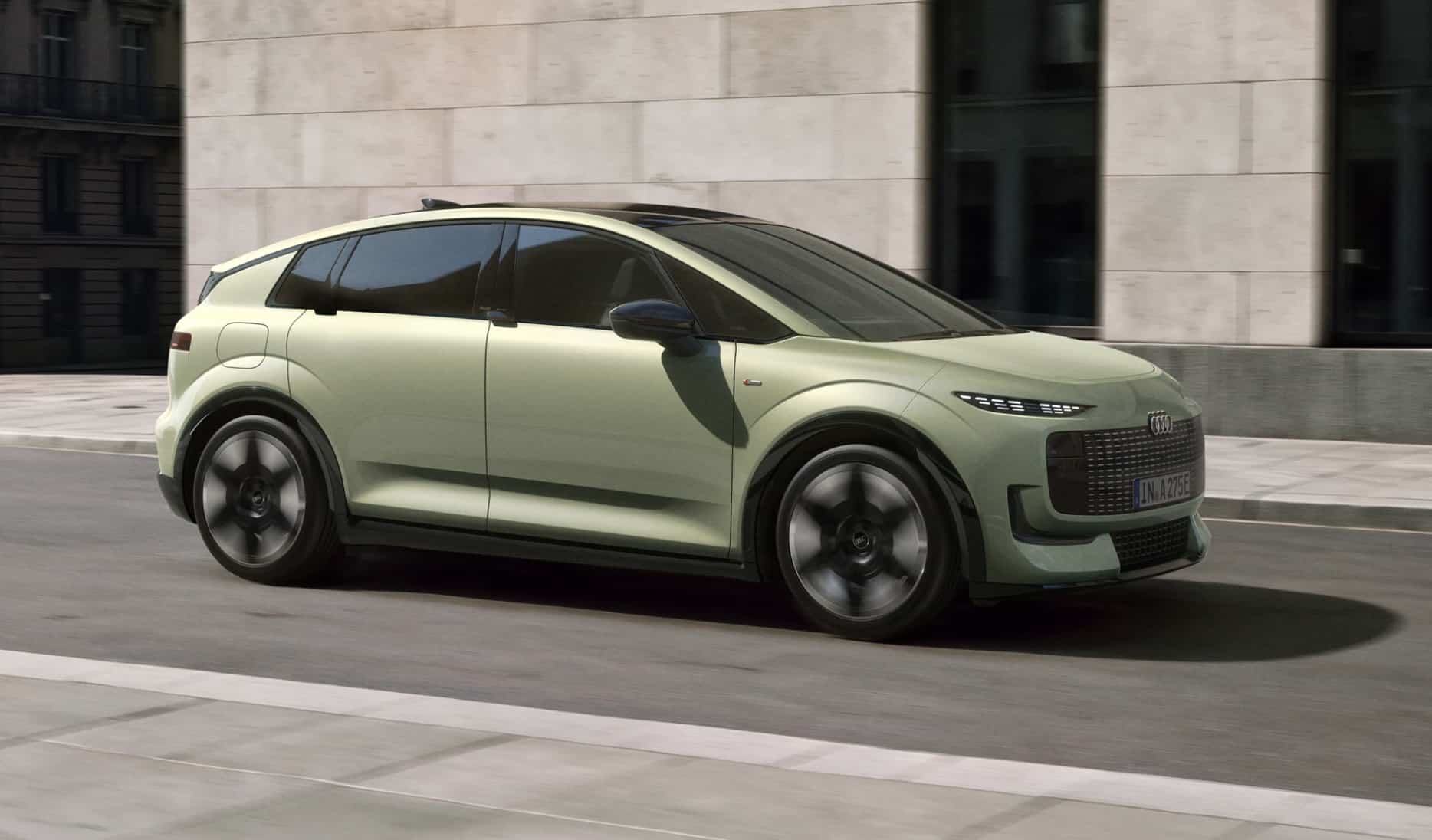
All-Electric Audi A2 e-tron
Pricing
Audi announced a UK starting on-the-road price of £32,200 for the entry-level A2 e-tron in September 2026. Its subsequent UK model page displays a starting price of £32,825 with metallic paint, and higher prices for the Sport, S line and Edition 1 specifications.
The distinction matters because the manufacturer’s displayed price depends on the configured specification and selected equipment. The following figures represent Audi’s model-page trim starting prices as reviewed in November 2026, rather than a complete price list covering every battery and motor combination.
| Audi A2 e-tron trim | Displayed UK OTR starting price |
|---|---|
| Technik | From £32,825 |
| Sport | From £35,425 |
| S line | From £38,025 |
| Edition 1 | From £48,975 |
Audi UK model-page prices reviewed in November 2026, reflecting its displayed configurations including metallic paint. The separate September launch announcement quoted an entry price of £32,200 OTR. Final prices depend on powertrain, battery size, equipment, paint, options and applicable retailer conditions. Obtain a current written quotation before ordering.
The Technik provides a comprehensive starting equipment package, including modern infotainment, advanced driver assistance, climate-control functions and comfort suspension.
The Sport introduces additional convenience and connected features, as well as bidirectional charging capability. The S line focuses on distinctive styling, sports seating and larger wheels.
The Edition 1 offers a more comprehensive premium equipment package, including adjustable damping, progressive steering, additional interior features and enhanced parking technology.
Audi identifies selected A2 e-tron versions as qualifying for a £1,500 Electric Car Grant deduction under the published UK arrangements. Eligibility depends on the particular configuration and relevant scheme conditions.
The grant should not be treated as an automatic reduction across every version. Buyers should confirm eligibility and the final grant-adjusted price with their retailer.
The total cost of ownership includes insurance, depreciation, Vehicle Excise Duty, servicing, electricity, tyres and finance charges. These costs can vary materially between the entry-level and more expensive configurations.
UK buyers should also assess the current taxation rules applicable to electric vehicles, including any expensive-car supplement linked to the vehicle’s list price at registration.
For buyers considering alternatives to outright purchase, e-zoomed provides information about electric-car leasing, including personal, business and salary-sacrifice arrangements.
Eligible employees may also wish to investigate electric company-car or salary-sacrifice schemes. The financial outcome depends on the employer’s arrangement, applicable tax rules and individual circumstances.
When comparing finance agreements, buyers should review the initial deposit, interest rate, agreement duration, annual mileage restrictions, monthly payments and any optional final payment.
Specifications
The following tables summarise Audi’s published UK technical information for the A2 e-tron. Certain values depend on the specific motor, battery, wheels and equipment configuration.
Battery, emissions, charging and warranty
| Specification | 170 PS | 190 PS | 231 PS | 326 PS |
|---|---|---|---|---|
| Gross battery capacity | 52 kWh | 61 kWh | 84 kWh | 84 kWh |
| Battery chemistry | LFP | LFP | NMC | NMC |
| WLTP combined range | Up to 262 miles | Up to 320 miles | Up to 397 miles | Up to 391 miles |
| Maximum AC charging | 11 kW | 11 kW | 11 kW | 11 kW |
| Maximum DC charging | 100 kW | 105 kW | 183 kW | 183 kW |
| DC charging (10–80%) | 24 minutes | 26 minutes | 29 minutes | 29 minutes |
| Tailpipe CO₂ emissions | 0 g/km | 0 g/km | 0 g/km | 0 g/km |
| UK vehicle warranty | 3 years / 60,000 miles, subject to terms | |||
| UK high-voltage battery degradation warranty | 8 years / 100,000 miles, subject to terms | |||
Warranty clarification: Audi’s standard UK new-car warranty provides up to three years or 60,000 miles, whichever comes first, subject to the applicable terms. The manufacturer’s separate high-voltage battery degradation warranty covers eight years or 100,000 miles, subject to its specific conditions and exclusions.
These warranty periods should not be interpreted as identical coverage for every vehicle component. Buyers should obtain the current written warranty information and confirm the service requirements applicable to their vehicle.
Although battery-electric vehicles have fewer conventional engine-related maintenance requirements than petrol or diesel vehicles, tyres, brakes, suspension, cabin filters and other components still require inspection and maintenance.
Audi offers additional warranty and servicing products, which should be assessed separately because their coverage and costs differ from the standard new-car warranty.
Illustrative UK home charging cost
Electric vehicle charging costs depend on the electricity tariff, the amount of energy added and charging losses. Our guide to the cost of charging an electric car at home provides additional information.
The following illustration assumes a hypothetical household electricity price of 25p per kWh and an overall charging efficiency of 90%.
For consistency with our other e-zoomed vehicle guides, the calculation uses the manufacturer’s published gross battery capacity as the modelled energy basis. This is not necessarily equal to the usable battery capacity and should not be interpreted as a precise empty-to-full charging bill.
| Illustrative calculation | 52 kWh | 61 kWh | 84 kWh |
|---|---|---|---|
| Published gross battery capacity | 52 kWh | 61 kWh | 84 kWh |
| Assumed electricity tariff | £0.25/kWh | £0.25/kWh | £0.25/kWh |
| Assumed charging efficiency | 90% | 90% | 90% |
| Modelled electricity drawn | 57.8 kWh | 67.8 kWh | 93.3 kWh |
| Illustrative charging cost | £14.44 | £16.94 | £23.33 |
Illustrative calculation only. Gross battery capacity is divided by the assumed 90% charging efficiency and multiplied by £0.25/kWh. Actual charging costs depend on usable battery energy, electricity tariffs, charging losses, temperature and energy delivered. These figures are not manufacturer charging-cost quotations or guaranteed real-world charging bills.
Owners with access to a suitable off-peak electricity tariff may reduce routine home charging costs. Those relying primarily on public rapid charging should consider the potentially higher tariffs at motorway services and other high-power charging locations.
Dimensions and practicality
| Specification | Audi A2 e-tron |
|---|---|
| Length | Approximately 4,324 mm |
| Width excluding mirrors | 1,789 mm |
| Width including mirrors | 2,039 mm |
| Height | Approximately 1,548–1,583 mm |
| Wheelbase | Approximately 2,768–2,770 mm |
| Turning circle | Approximately 10.9 metres |
| Seating capacity | 5 |
| Boot capacity | 396 litres |
| Boot capacity, rear seats folded | 1,336 litres |
| Aerodynamic drag coefficient | 0.24 |
| Wheel sizes | 18–20 inches, depending on trim |
| Drivetrain | Rear-wheel drive |
Manufacturer-published dimensions and technical data. Certain measurements vary with chassis, wheels and equipment. Buyers should confirm the exact dimensions of their chosen UK vehicle before purchase.
Performance by variant
| Specification | 170 PS | 190 PS | 231 PS | 326 PS |
|---|---|---|---|---|
| Motor configuration | Single rear motor | Single rear motor | Single rear motor | Single rear motor |
| Maximum power | 125 kW | 140 kW | 170 kW | 240 kW |
| Maximum torque | 350 Nm | 350 Nm | 350 Nm | 545 Nm |
| Drivetrain | RWD | RWD | RWD | RWD |
| Transmission | Single-speed automatic | Single-speed automatic | Single-speed automatic | Single-speed automatic |
| 0–62 mph | 8.8 seconds | 7.9 seconds | 7.0 seconds | 5.7 seconds |
| Top speed | 99 mph | 99 mph | 99 mph | 124 mph |
| WLTP range | 262 miles | 320 miles | 397 miles | 391 miles |
| Maximum DC charging | 100 kW | 105 kW | 183 kW | 183 kW |
Manufacturer-published performance figures for the four powertrain versions. Actual acceleration, range and energy consumption depend on battery conditions, temperature, road surface, vehicle load, selected equipment and driving style.
FAQs
| Question | Answer |
|---|---|
| How much does the Audi A2 e-tron cost in the UK? | Audi announced a starting price of £32,200 OTR in September 2026. Its subsequently displayed UK model-page starting price is £32,825 with metallic paint. Higher battery, powertrain and equipment specifications cost more. |
| When will the Audi A2 e-tron be available in the UK? | UK orders opened in October 2026, with first customer deliveries expected in early 2027. Exact delivery dates should be confirmed with an Audi Centre. |
| What is the official range of the Audi A2 e-tron? | The official maximum WLTP ranges are 262 miles for 170 PS, 320 miles for 190 PS, 397 miles for 231 PS and 391 miles for 326 PS. |
| What is the real-world range? | Actual range depends on motorway speed, outside temperature, heating, terrain and driving style. Early independent prototype tests reported encouraging efficiency, but the results should not be treated as guaranteed outcomes for UK production vehicles. |
| What battery sizes does the Audi A2 e-tron use? | Three gross battery capacities are available: 52 kWh, 61 kWh and 84 kWh. |
| Which battery chemistry does the Audi A2 e-tron use? | The 52 kWh and 61 kWh batteries use LFP chemistry, while the 84 kWh battery uses NMC chemistry. |
| How quickly can the Audi A2 e-tron charge? | The 52 kWh version supports up to 100 kW DC charging, the 61 kWh version up to 105 kW and the 84 kWh versions up to 183 kW. Audi quotes 10–80% charging times of 24, 26 and 29 minutes respectively. |
| Can the Audi A2 e-tron be charged at home? | Yes. It supports up to 11 kW AC charging with appropriate equipment. Typical UK single-phase home chargers may provide up to approximately 7.4 kW, subject to installation conditions. |
| Does the Audi A2 e-tron use rear-wheel drive? | Yes. The four manufacturer-listed powertrain versions use rear-wheel drive. |
| How many seats does the Audi A2 e-tron have? | The A2 e-tron is a five-seat compact electric hatchback. |
| How large is the Audi A2 e-tron boot? | The boot offers 396 litres, increasing to 1,336 litres with the rear seats folded. |
| What is the maximum range of the Audi A2 e-tron? | The 231 PS version with the 84 kWh battery offers the maximum published WLTP combined range of 397 miles. |
| Does the Audi A2 e-tron support Vehicle-to-Load? | Yes, V2L capability is available on Sport trim and above, subject to appropriate equipment and operating conditions. |
| Does the Audi A2 e-tron support Vehicle-to-Home? | Audi identifies V2H functionality for suitably equipped versions. UK owners should verify compatible charging equipment, installation requirements and operational availability. |
| What is the Audi A2 e-tron Edition 1? | Edition 1 is a higher-specification version incorporating distinctive styling, 20-inch alloy wheels, enhanced parking technology, adjustable damping and additional premium equipment. |
| Has the Audi A2 e-tron received an independent safety rating? | A verified European crash-test rating specifically awarded to the A2 e-tron was not established during this review. Results for other Audi vehicles should not be applied automatically. |
| What is the Audi A2 e-tron vehicle warranty? | Audi’s standard UK new-car warranty provides up to three years or 60,000 miles, subject to terms and conditions. |
| What is the Audi A2 e-tron battery warranty? | Audi’s UK high-voltage battery degradation warranty provides eight years or 100,000 miles, subject to the applicable conditions and exclusions. |
| What is different about the Audi A2 e-tron? | The A2 e-tron combines compact dimensions, advanced aerodynamics, three battery capacities, a modern digital cabin and a focus on efficient electric driving rather than simply maximising battery size. |
| Which Audi A2 e-tron version offers the best value? | The 190 PS version appears to offer a strong balance of official range, performance and battery capacity. The 170 PS provides the lowest entry price, while the 231 PS is most suitable for buyers prioritising maximum driving range. |
Information is based on Audi’s UK manufacturer specifications, prices, published model information and independently researched early driving assessments reviewed in November 2026. Prices, grant eligibility, equipment, charging capabilities, software functions, delivery dates and warranty conditions may change. Buyers should confirm current vehicle-specific details with Audi or an authorised UK retailer before purchasing.
While e-zoomed uses reasonable efforts to provide accurate and up-to-date information, some of the information provided is gathered from third parties and has not been independently verified by e-zoomed. While the information from the third party sources is believed to be reliable, no warranty, express or implied, is made by e-zoomed regarding the accuracy, adequacy, completeness, legality, reliability or usefulness of any information. This disclaimer applies to both isolated and aggregate uses of this information.
Featured Articles
<!–
Carousel
–>
All-Electric Citroën ë-C3: UK Prices, Specs, Range & Buying Guide
The Audi A2 e-tron is a fully electric, five-seat compact hatchback designed to combine premium technology, exceptional energy efficiency and everyday practicality. With an announced UK starting price of…
All-Electric Dacia Spring: UK Prices, Specs, Range & Buying Guide
The Audi A2 e-tron is a fully electric, five-seat compact hatchback designed to combine premium technology, exceptional energy efficiency and everyday practicality. With an announced UK starting price of…
All-Electric Hyundai INSTER: UK Prices, Specs, Range & Buying Guide
The Audi A2 e-tron is a fully electric, five-seat compact hatchback designed to combine premium technology, exceptional energy efficiency and everyday practicality. With an announced UK starting price of…
All-Electric Skoda Elroq: UK Prices, Specs, Range & Buying Guide
The Audi A2 e-tron is a fully electric, five-seat compact hatchback designed to combine premium technology, exceptional energy efficiency and everyday practicality. With an announced UK starting price of…
All-Electric Smart #3: UK Prices, Specs, Range & Buying Guide
The Audi A2 e-tron is a fully electric, five-seat compact hatchback designed to combine premium technology, exceptional energy efficiency and everyday practicality. With an announced UK starting price of…
Featured Products
-
<!–
–>Sale!

Best-In-Class Home Solar Bundle Offer (440W All Black Jinko Solar 8 Panels + Sungrow Hybrid Inverter 3.6 kW): price includes product supply only
<!– –>
Original price was: £2,205.95.£2,150.95Current price is: £2,150.95. (Including VAT)
<!–
–>
<!– Term:
NEDC range:
Model Year:
Deposit: £
Miles Per AnnumSubject to status and conditions –>
Brand:SungrowJinko SolarCategory:Solar<!– –>
-
<!–
–>Sale!
Best-In-Class Home Solar Bundle Offer (440W All Black Jinko Solar 8 Panels + Sungrow Battery Storage 6.4 kWh + Sungrow Hybrid Inverter 3.6 kW): price includes product supply only
<!– –>
Original price was: £5,010.95.£4,800.95Current price is: £4,800.95. (Including VAT)
<!–
–>
<!– Term:
NEDC range:
Model Year:
Deposit: £
Miles Per AnnumSubject to status and conditions –>
Brand:SungrowJinko SolarCategory:Solar<!– –>
-
<!–
–>Sale!
Bundle Offer: SUNSYNK LifePO4 Home Battery Storage (5.32 kWh) + SUNSYNK Hybrid Inverter (3.6 kW/Single-Phase): price includes product supply only
<!– –>
Original price was: £3,345.95.£3,299.95Current price is: £3,299.95. (Including VAT)
<!–
–>
<!– Term:
NEDC range:
Model Year:
Deposit: £
Miles Per AnnumSubject to status and conditions –>
Brand:Sun SynkCategory:Battery Storage<!– –>
-
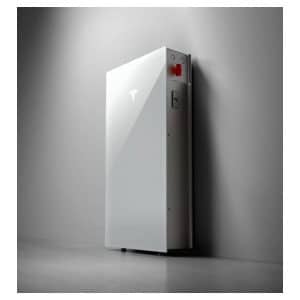
Bundle Offer: Tesla Powerwall 3 Home Battery Storage (13.5 kWh) + Gateway: price includes product supply only
<!– –>
£8,559.95 (Including VAT)
<!–
–>
<!– Term:
NEDC range:
Model Year:
Deposit: £
Miles Per AnnumSubject to status and conditions –>
Brand:TeslaCategory:Battery Storage<!– –>
-
<!–
–>Sale!
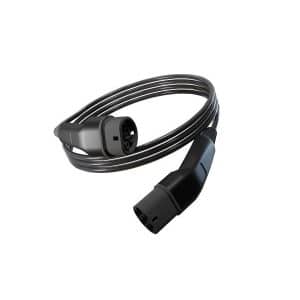
Custom-Made Single-Phase EV Charging Cable Type 2 to Type 2 (2m to 50m, 7.4 kW, 32 amp, Black)
<!– –>
Price range: £99.95 through £670.95 (Including VAT)
<!–
–>
<!– Term:
NEDC range:
Model Year:
Deposit: £
Miles Per AnnumSubject to status and conditions –>
Category:CablesType:Type 2Length (m):5 m7.5 m10 m3.5 m12.5 m15 m20 m17.5 m2 m22.5 m25 m30 m35 m40 m45 m50 mCurrent (amp):32 ampPhase:Single Phase (7.2kW)<!– –>
This product has multiple variants. The options may be chosen on the product page -
Untethered Ohme ePod Home Smart EV Charger (7.4 kW): price includes product only
<!– –>
£645.95 (Including VAT)
<!–
–>
<!– Term:
NEDC range:
Model Year:
Deposit: £
Miles Per AnnumSubject to status and conditions –>
Brand:OhmeCategory:EV Charging PointsCustomer type:ResidentialPower:7.4 kWCable:UntetheredPhase:Single Phase<!– –>

The post All-Electric Audi A2 e-tron (2026): UK Prices, Specs, Range & Buying Guide appeared first on Ezoomed.